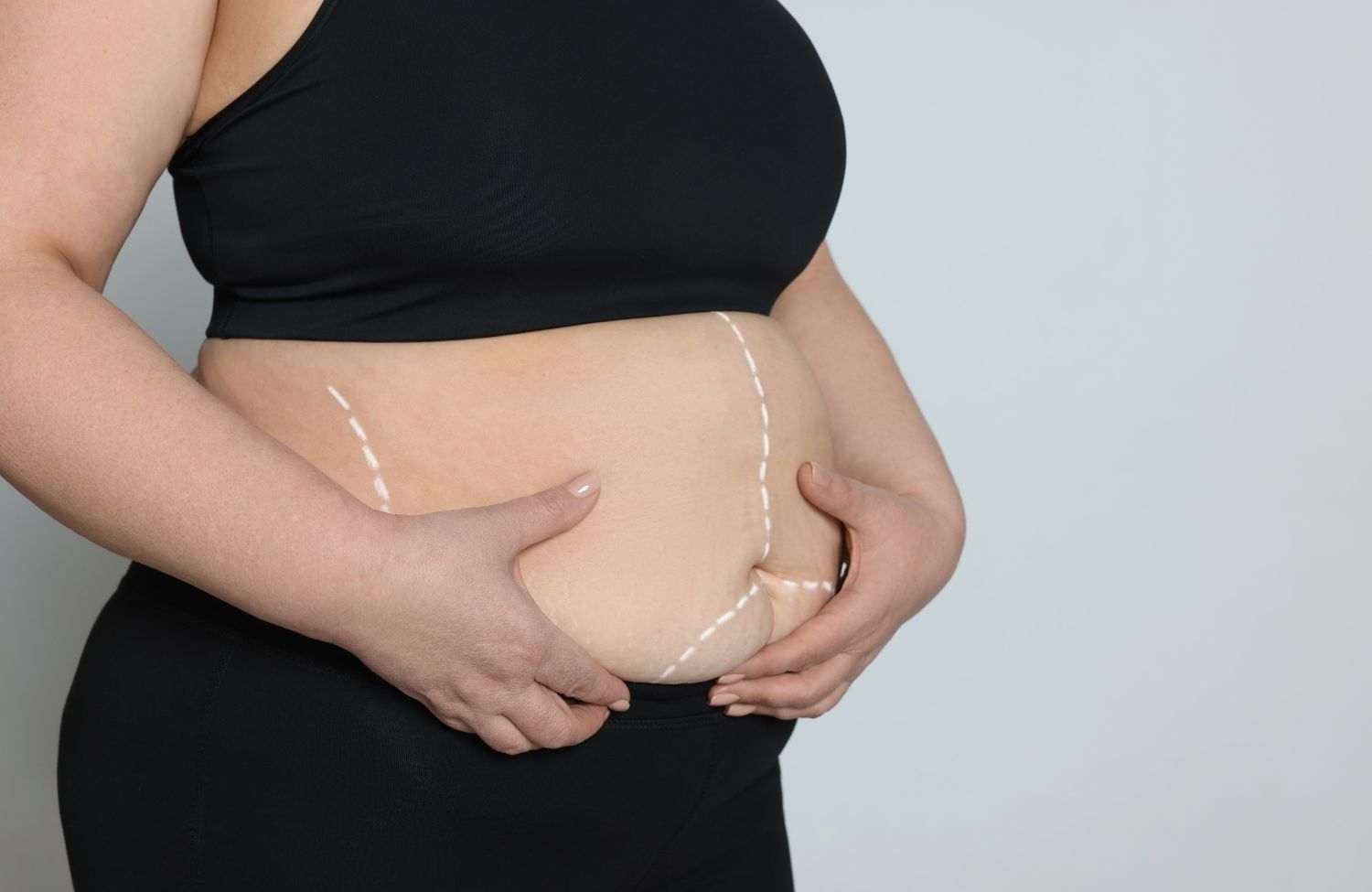
Surgery is never a decision anyone takes lightly. Most patients expect one procedure to fix their problem completely. But sometimes, the body does not respond the way doctors hoped. In gastro and weight-loss surgery, revision operations are more common than people think. Understanding why this happens can help patients make better choices.
This blog helps you to know about Redo Gastro Surgery and Revisional Bariatric Surgery in detail.
What Is Revisional Gastro Surgery?
Revisional gastro surgery means going back for a second operation. The first surgery was probably working well at first, but then it stopped working. Or it may have caused new problems that need to be fixed. This is not a sign of failure for the patient or the surgeon. Bodies are complex, and outcomes can change over time.
This is a broad term that covers many different types of procedures. This includes revisions after weight loss surgery, anti-reflux surgery, and other gastrointestinal procedures. Each case is unique and needs to be carefully evaluated before proceeding.
Why Do Some Patients Need a Second Operation?
There are several clear reasons why revision surgery becomes necessary over time.
Insufficient Weight Loss
Some patients lose weight after their first surgery, but then regain it. The stomach may have stretched back to a larger size. Old eating habits can return without the right support systems in place. When this happens, a revision procedure may restore the restriction needed for better results.
Surgical Complications From the First Operation Problems
Leaks, strictures, or hernias may have developed after the first operation. These complications do not always occur immediately after surgery. Some develop weeks or months after surgery and create a great deal of discomfort. A revision procedure helps correct these issues before they worsen further.
Inadequate Reflux Control
Acid reflux is one of the most common reasons patients return for revision. Some people develop severe reflux after their initial weight-loss surgery. The acid travels back into the food pipe and causes burning pain. A redo procedure can help improve how the valve functions.
Slippage or Migration of Surgical Components
Bands or staples can shift over time during the operation. In medical lingo, this is called slippage or band migration. It causes new symptoms such as vomiting, pain, and difficulty swallowing food. Revision surgery is used to remove or reposition the component that is causing the trouble.
Medical Condition or Patient Needs Change
Sometimes a patient’s health changes after the first surgery. A surgery that helped the patient before may no longer be the best option. The patient may need a different kind of surgery to meet new needs. Doctors review these situations carefully before recommending any revision surgery.
Who Is a Candidate for Revisional Surgery?
Not all patients who complain are candidates for revision surgery. The physician reviews the operative report of the original surgery and current test results. He or she evaluates the patient’s eating habits, weight trend, and general health. Before a plan for revision is developed, the patient’s psychological readiness is also assessed.
Ideal candidates are those who have genuinely tried lifestyle changes without success. They should have a clear medical reason for needing the revision procedure. Patients who have not followed dietary advice may need counselling before any surgery is approved.
Revisional bariatric surgery is one of the most common types of redo operations performed today. It helps patients who have regained weight or developed complications after their first bariatric surgery. The procedure requires more advanced surgical skill than a primary operation does.
Common Types of Revision Procedures
Conversion Surgery
This changes one type of surgery into another. For example, a gastric band may be converted to a sleeve gastrectomy. The conversion gives the patient better weight control over time.
Re-Sleeve or Pouch Revision
When the stomach stretches after the first sleeve, a re-sleeve may help. The surgeon removes the extra-stretched portion of the stomach again. This restores the original restriction the patient experienced after the first surgery.
Anti-Reflux Revision
This targets patients with uncontrolled acid reflux after prior gastric surgery. A fundoplication or similar procedure wraps the stomach around the food pipe. It improves the valve function and reduces acid reaching the oesophagus. You can learn more about how fundoplication surgery helps with acid reflux here.
ROUX-en-Y Gastric Bypass Conversion
This is considered a gold-standard revision option for many patients. It creates a small stomach pouch and reroutes a section of the intestine. It addresses both poor weight loss and severe reflux effectively.
Risks Involved in Revision Surgery
Revision surgery carries more risk than a first-time procedure. The tissues involved have already been cut and healed before. Scar tissue makes it harder to operate without injury. Blood loss and complication rates are slightly higher in revision cases.
This is why choosing an experienced gastrosurgeon matters greatly here. A surgeon who specialises in revision work understands these added challenges well. Proper pre-operative planning reduces the risk of avoidable complications during the procedure.
Recovery After Revisional Surgery
Recovery depends on which type of revision procedure was performed. Most patients stay in the hospital for two to four days after surgery. The first few weeks after the operation are on liquids. Solid foods are slowly reintroduced over a 6 to 8-week period.
Please make sure to attend all follow-up appointments. Nutrition support and lifestyle coaching are part of the recovery process. Long-term success is heavily dependent on patient commitment after leaving the hospital.
Why Choose Dr. Jay Chokshi Gastro Centre for Revision Surgery?
Dr. Jay Chokshi at Gastro Centre Surat takes care of complex revision cases. The team does a detailed assessment of each patient before suggesting any revision method. Advanced laparoscopic techniques are used to minimise post-operative pain and recovery time. Patients receive dedicated support throughout the surgical journey from start to finish.
If you have had a previous gastrointestinal surgery and are experiencing complications or weight regain, a consultation can help clarify your options. Revisional bariatric surgery is a specialised field and requires a surgeon you can trust completely.
A second operation is not a setback. It is a medical solution to a problem that needs expert attention. Many patients go on to live healthier lives after their revision procedure. If you think you may need revision surgery, reach out to Dr. Jay Chokshi Gastro Centre in Surat today.