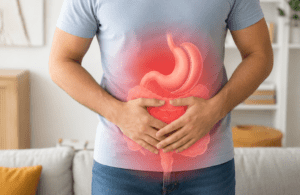

Almost everyone has suffered stomach pain at some point. It could happen after you eat a lot, when you’re worried, or when your stomach doesn’t feel right.
Most of the time, moderate stomach pain isn’t dangerous and goes away on its own. If your pain comes and goes a lot, is very bad, or lasts for a long time, it could be a sign that you have a health problem.
So, how can you know if your stomach ache is normal or a sign of illness? Let’s speak about how they are different.
When stomach ache is normal most of the time
Problems with digestion that arise every day are mainly what causes stomach pain that comes and goes. Usually, these fade away on their own and go better quickly.
Here are some common reasons:
- Eating too much or too quickly
- Eating foods that are fatty or spicy
- Gas or swelling
- A little uncomfortable to my stomach
- Constipation that doesn’t last long
In these circumstances, the discomfort usually goes away after a little rest, drinking water, or applying simple home remedies.
For example, feeling full after a big meal or having mild cramps after eating certain foods are usually not huge problems.
These Signs Should Not Be Ignored
If you often get stomach pain or it accompanies with other symptoms, it could signal that you are sick.
If the discomfort is:
- Lasting for a couple days
- Very severe or becoming worse
- Accompanied by fever
- Related to feeling unwell or throwing up
- Related to losing weight for no clear reason
- Making blood appear in vomit or feces
These indicators mean that there is a bigger problem with the digestive system.
Health Problems That Often Cause Stomach Pain
Many digestive issues might cause long-term stomach pain.
Gastritis
Gastritis happens when the lining of the stomach gets angry. It usually hurts and burns in the upper abdomen, and it can also make you feel ill and uncomfortable after meals.
It can happen because of infections, stress, drinking too much alcohol, or using too many certain drugs.
Acid Reflux (GERD)
Acid reflux is when stomach acid flows back into the food pipe.
Some indications that are common are:
- A burning feeling in the chest or upper stomach
- A bad taste in the mouth
- Pain after eating or lying down
If you don’t address it, reflux can last a long time.
Peptic Ulcers
Ulcers are sores that grow on the inside of the stomach or small intestine.
They often make:
- Sharp or burning pain in the upper abdomen
- Pain that becomes worse when you don’t eat
- Not wanting to eat or feeling nauseous
Most of the time, you need to see a doctor.
Irritable Bowel Syndrome (IBS)
IBS is a common digestive issue that changes how the bowels work.
Some of the signs are:
- Stomach cramps
- Being full
- Having diarrhea or not being able to use the bathroom
- Pain that goes away when you go to the bathroom
Stress and diet can often make IBS symptoms worse.
Gallstones
Gallstones can suddenly irritate the upper right side of the stomach, especially after consuming fatty foods.
The pain may get worse and move to your shoulder or back.
Why you should pay attention to your body
A lot of the time, your body will let you know when anything is wrong.
If you ignore stomach pain that keeps coming back, a small problem could evolve into a major one.
Early diagnosis is helpful:
- Find the cause quickly
- Stay away from problems
- Get the proper treatment started sooner
Seeing a doctor will help you feel better, even if the problem is tiny.
Simple Ways to Improve Your Digestive Health
Keeping up with good habits may help maintain your digestive system healthy.
Here are some things that might help:
- Eating meals that are balanced and have adequate fiber
- A lot of water to drink
- Not eating too many processed or spicy meals
- Keeping stress levels low
- Getting enough sleep
- Being physically active
Good habits are good for your health and digestion.
When to See a Doctor
You should see a doctor if your stomach hurts:
- A lot of the time
- Doesn’t get better with simple steps
- Turns terrible or happens all of a sudden
- It has weird symptoms that go along with it.
A comprehensive medical assessment can ascertain the exact cause and enable appropriate treatment.
Conclusion
You don’t have to worry about every stomach discomfort. A lot of digestive disorders go away on their own after a while.
You should constantly pay attention to stomach pain that lasts a long time or is very bad. It could mean that you have gastritis, ulcers, gallstones, or another digestive system problem.
If you pay attention to what your body is telling you and receive medical treatment when you need it, you can deal with problems before they grow worse.
Sometimes the level and frequency of pain might help you tell the difference between normal discomfort and a medical problem.
You need to be careful with stomach pain if you want to keep your digestive system healthy for a long time.