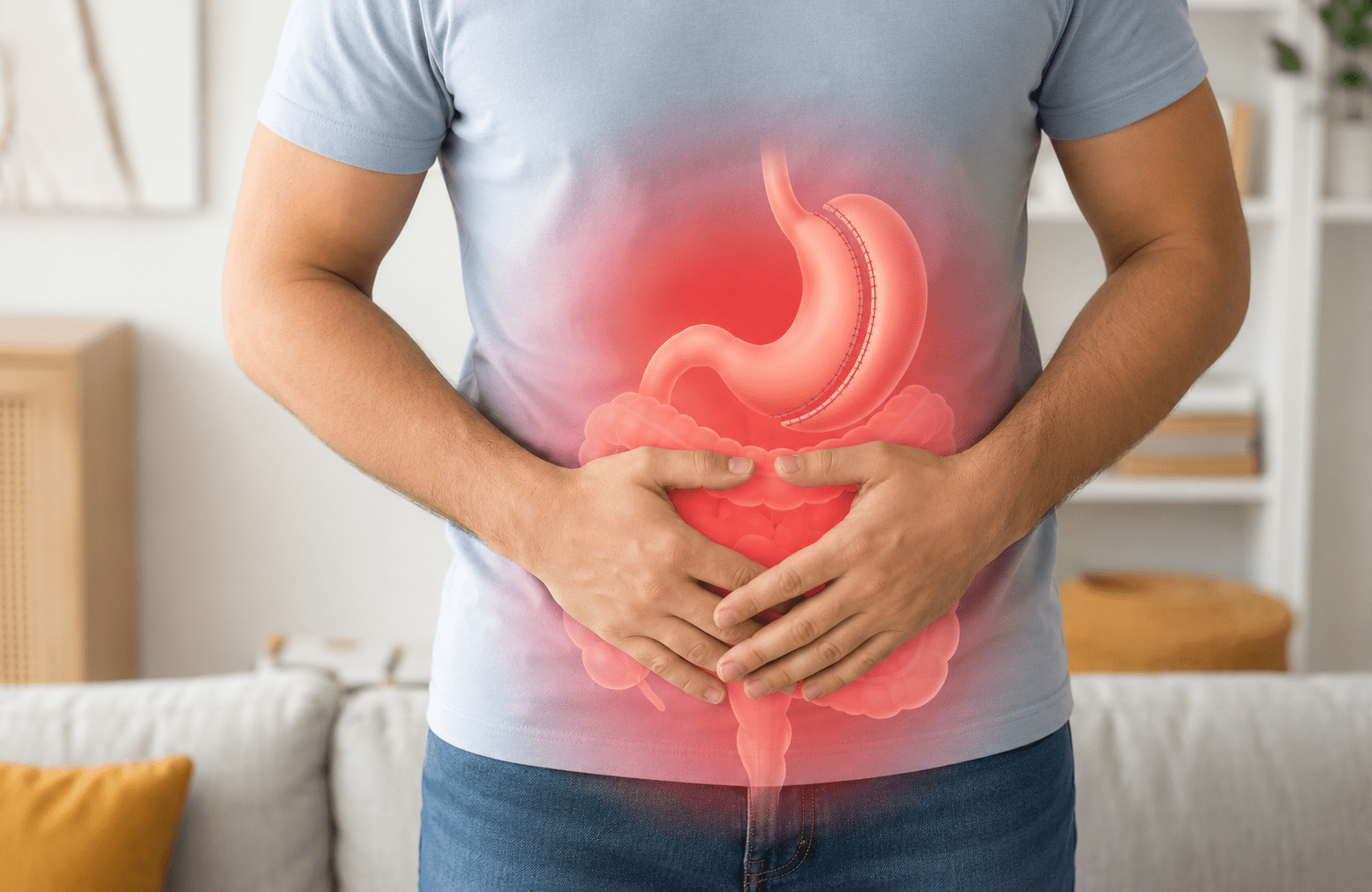
What you do every day affects your digestive health more than you know. Many people in Surat visit a gastrosurgeon only after things get serious. But you can avoid a gastrosurgery with simple lifestyle changes. Knowing what you are doing wrong is the first step.
Here are ten lifestyle mistakes that silently push people toward the operating table.
1. Eating too quickly and not chewing enough.
Eating meals too quickly puts a lot of strain on your stomach. Food that is not chewed well is harder to digest. This means your digestive system needs to work much harder every day. This can lead to chronic bloating and acid buildup over time. Swallowing air when you eat fast also makes gas problems much worse. This habit, if continued, may require gastric disorder treatment at some point. Slow down and chew each bite at least twenty times.
2. Skipping Meals and Then Overeating
Many people skip breakfast and eat a very large dinner. This extreme pattern puts stress on your digestive system daily. Your stomach produces acid even when it is empty. That acid then irritates the stomach lining over time. Binge eating after long gaps causes the stomach to stretch badly. This can trigger gastritis, ulcers, and other serious gut problems. Eat smaller meals at regular intervals throughout the day.
3. Relying Too Much on Painkillers and Antacids
NSAIDs like ibuprofen and aspirin are easily available everywhere. People pop them for headaches, body pain, and minor fevers. But regular use of these drugs damages your stomach lining badly. They reduce the protective mucus that coats your stomach wall. Eventually, this can lead to gastric ulcers and internal bleeding. Overuse of antacids also disrupts the natural acid balance for digestion. Always take these medications only under a doctor’s guidance.
4. Drinking Alcohol Regularly
Even moderate alcohol consumption affects your gut very badly. Alcohol irritates the lining of the esophagus and stomach. It slows down the movement of food through your intestines. Long-term drinking can lead to pancreatitis and liver disease. It also increases the risk of colorectal and stomach cancers. Many gastrosurgery cases in Surat are directly linked to alcohol habits. Cutting back significantly can protect your entire digestive tract.
5. Smoking Cigarettes or Chewing Tobacco
Tobacco is deeply harmful to your gastrointestinal system every day. Nicotine weakens the lower esophageal sphincter muscle over time. This causes stomach acid to flow back up into your food pipe. That condition is called GERD, and it can become very serious. Smoking also slows the healing of any existing gut ulcers. Long-term tobacco use greatly increases the risk of stomach cancer. Quitting tobacco is one of the best decisions you can make.
6. Eating a Low-Fibre Diet Every Day
Most people in India eat refined flour, white rice, and processed snacks. These foods are very low in dietary fibre content. A low-fibre diet makes your bowel movements slow and irregular. This leads to constipation, which creates pressure in your intestines. Over time, that pressure can cause diverticula to form in the colon. These small pouches can get infected and become a surgical emergency. Add fruits, vegetables, and whole grains to every single meal.
7. Living a Completely Sedentary Lifestyle
Sitting all day is one of the most overlooked gut health risks. Physical inactivity slows down your entire digestive process considerably. Food moves through your intestines at a much slower pace. This increases the time that harmful waste stays in your colon. A sedentary lifestyle is also linked to obesity and fatty liver disease. These conditions frequently lead to gastrosurgery when left unmanaged for too long. Even a thirty-minute walk daily makes a big difference for digestion.
8. Ignoring Early Digestive Symptoms
Many people ignore warning signs like bloating, acidity, and mild pain. They take over-the-counter medicines and carry on with their routine. But persistent symptoms are your body’s way of trying to tell you something. Untreated GERD can progress to Barrett’s esophagus and even cancer. A minor gallstone problem can quickly progress to acute cholecystitis. Early diagnosis almost always prevents the need for any surgical procedure. Never ignore symptoms that last more than two or three weeks.
9. Chronic Stress With No Healthy Outlet
Your brain and gut are directly connected through the gut-brain axis. High and ongoing stress disrupts the way your gut functions daily. It can cause irritable bowel syndrome, ulcers, and chronic stomach pain. Stress also triggers unhealthy habits like overeating or skipping meals. Many patients who seek gastric disorder treatment report years of unmanaged stress. Yoga, meditation, and regular exercise are proven tools that help. Taking care of your mental health also protects your digestive health.
10. Drinking Very Little Water Through the Day
Dehydration is extremely common and very damaging to your gut. Water is needed to help dissolve food and move it along. Without enough water, stools become hard to pass. This causes straining during bowel movements, which leads to hemorrhoids. Chronic dehydration is also linked to kidney stones and urinary problems. In severe cases, intestinal blockages may require gastrosurgery to fully resolve. Drink at least eight to ten glasses of water throughout the day.
Your gut works hard for you every single day without rest. The lifestyle choices you make either protect it or slowly damage it. None of the ten mistakes listed above happens overnight or suddenly. They build up quietly over months and years until symptoms appear. The good news is that most of these mistakes are completely reversible. Small, consistent changes in your daily routine make a huge impact. At Dr. Jay Choshi Gastro Centre, we believe in educating our patients before problems turn out to be surgical emergencies. If you have been ignoring your digestive health, now is the best time to start paying attention. A healthier gut means a healthier and longer life for you.