
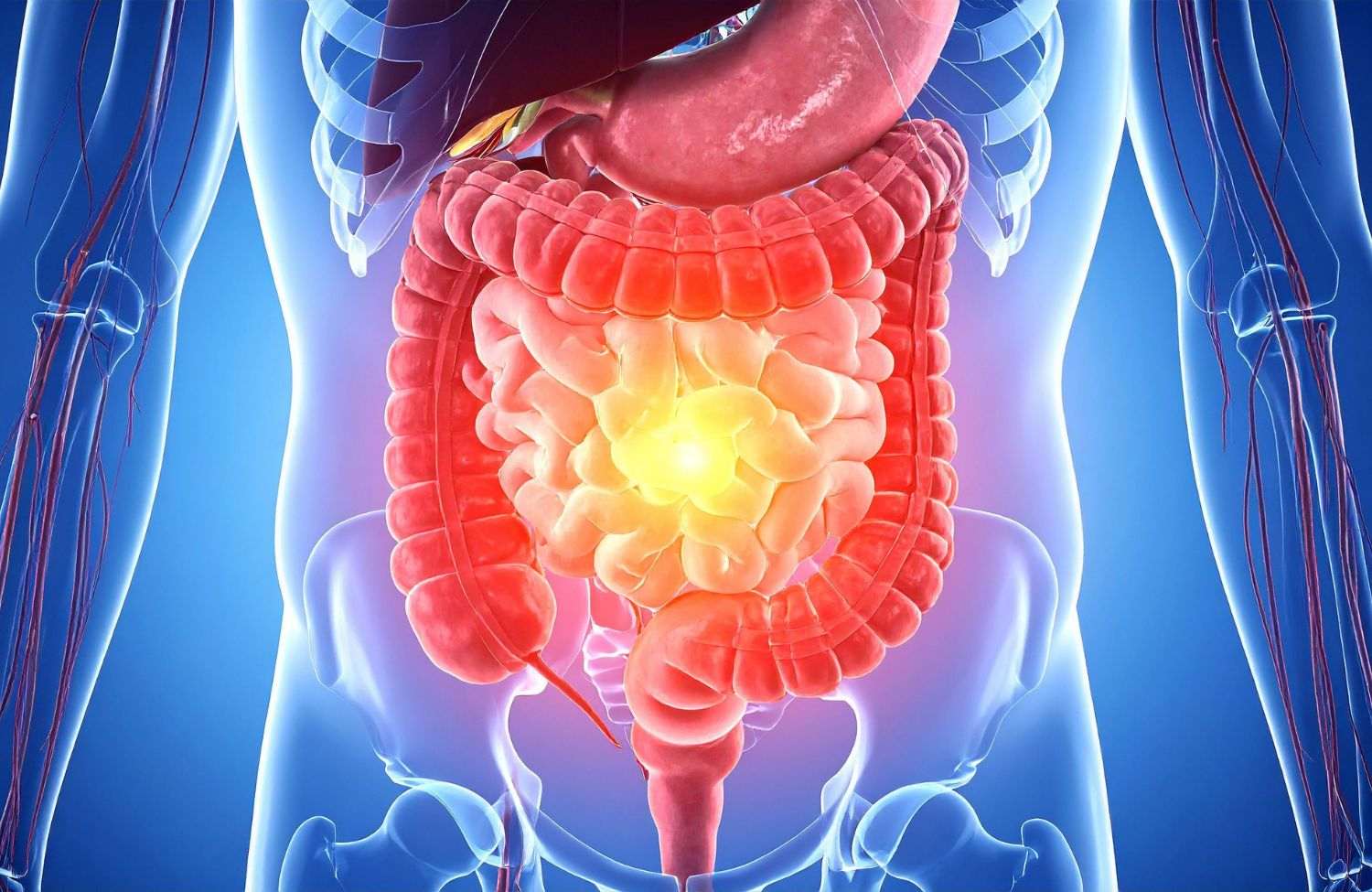
A hole inside your gut sounds scary, and it is. GI perforation or gut perforation is a medical emergency that requires immediate surgical intervention. Every hour delay can make survival significantly harder.
At Dr. Jay Chokshi Gastro Centre, Surat, we treat these life-threatening cases with speed and precision. This blog explains all you need to know about perforation in intestine, from why it happens to how surgery saves lives.
Here are ten lifestyle mistakes that silently push people toward the operating table.
What Is GI Perforation?
A hole has been created through the wall of your gastrointestinal tract. This hole can be created in your stomach, small intestine, or large intestine. When the wall is broken open, gut contents leak into your abdomen. This includes bacteria, partially digested food, stomach acid, and stool. These substances then infect the entire abdominal cavity very rapidly. The resulting condition is called peritonitis, and it is extremely dangerous. Without immediate treatment, GI perforation can become fatal within hours.
Perforated Intestine Causes
Many different medical conditions can lead to intestinal perforation. Understanding the root cause helps guide the right treatment plan.
Peptic Ulcers
Stomach ulcers that are left untreated can eat through the stomach wall. This is one of the most common causes of gut perforation seen today. Long-term use of NSAIDs and H. pylori infection make ulcers worse.
Appendicitis
A swollen and ruptured appendix can perforate and spill bacteria. This is especially common in patients who delay seeking medical care. Appendix perforation leads to rapid-onset and severe peritonitis.
Diverticulitis
Small pouches called diverticula can form in the colon wall. When they become infected and burst, a perforated intestine occurs. This is more common in older adults eating low-fibre diets daily.
Inflammatory Bowel Disease
Conditions like Crohn’s disease and ulcerative colitis inflame the gut wall. Severe flare-ups can thin and ultimately rupture the intestinal wall. Patients with long-standing IBD carry a higher perforation risk.
Abdominal Trauma
A knife wound, gunshot, or severe blunt impact to the abdomen can directly pierce the intestinal wall. Road accident injuries are a major cause in urban centres like Surat.
Bowel Obstruction
When the intestine is blocked, and pressure keeps building up inside, the wall can eventually give way. This is a slow but dangerous cause of intestinal perforation.
Gastrointestinal Cancers
Tumours growing in the colon or stomach can weaken and break through the wall. Perforation is sometimes the first sign that cancer has been missed for a long.
Swallowed Foreign Objects
Sharp objects like fish bones or pins can pierce the gut wall from inside. Children are especially prone to accidental ingestion of sharp items.
Symptoms of Gut Perforation
The symptoms of gut perforation appear suddenly and are hard to ignore. These warning signs, if acted on immediately, can save your life.
Severe abdominal pain
The pain begins suddenly and rapidly spreads all over the abdomen. It is sharp and severe, and is aggravated by any type of movement. Even the slightest pressure on the abdomen causes severe pain and tenderness.
Hard and Swollen Stomach The stomach will feel hard like a board and look swollen. This occurs because the gut content leaks out and causes the abdominal cavity to become inflamed.
High Fever and Chills
As peritonitis sets in, the body temperature rises sharply and quickly. Chills and shivering often follow this rise in temperature.
Nausea and Vomiting
Most patients feel intense nausea and vomit repeatedly after perforation. These symptoms show that the digestive system has completely shut down.
Rapid Heart Rate
The body goes into shock as infection spreads into the bloodstream. The heart beats faster to try to compensate for this crisis.
Inability to Pass Gas or Stool
The gut stops moving entirely when a perforation occurs inside. This is a red flag that something is very seriously wrong.
Dizziness and Weakness
Blood pressure drops, and the patient feels faint and extremely weak. This signals that the body is entering a dangerous septic shock state.
If you or anyone in Surat experiences these symptoms together, rush to the nearest emergency unit without any delay.
How Is It Diagnosed?
Doctors confirm a perforated intestine causes through a combination of clinical and imaging tests. A chest or abdominal X-ray is taken first to detect free air under the diaphragm. This free air is a hallmark sign of intestinal perforation. A CT scan of the abdomen is done to get a better idea of the exact location of the perforation. Blood tests are done to check for infection, blood loss, and organ function. All of this helps the surgical team plan the fastest and safest intervention.
Surgical Treatment of Intestine Perforation
Surgery is almost always required to treat a perforation in intestine. Very rare and mild cases are considered for non-surgical management. The surgical approach depends on the cause, location, and severity of the perforation.
- Primary Repair (Simple Closure): If the hole is small and detected early, the surgeon then simply sews (sutures) the hole closed. The area surrounding the hole is carefully cleaned to prevent the spread of infection.
- Bowel Resection: If a section of the intestine is badly damaged or infected, it is completely removed. The healthy ends are sewn together (anastomosis).
- Colostomy or Ileostomy: In severe cases, when it is not safe to join the bowel ends, a stoma is made. Intestinal waste is diverted to an external bag, which is attached to the abdominal wall. This can be temporary or permanent, depending on how the patient recovers.
- Peritoneal washout: The surgeon flushes the abdominal cavity with sterile saline. This removes bacteria and contaminated fluid to prevent ongoing infection from spreading.
Laparoscopic Surgery
In selected stable patients, keyhole surgery can be used for the repair. Laparoscopic management is associated with faster recovery and smaller scars than open surgery. Not all perforations can be managed laparoscopically.
Postoperatively, patients are admitted to the ICU for close observation. Intravenous antibiotics are given to clear any residual infection in the body. Nutritional support and wound care are important parts of the recovery process.
Who Is at Higher Risk?
Some people are more vulnerable to intestinal perforation than others. Elderly patients, long-term NSAID users, and heavy smokers are particularly at risk. People living with unmanaged GI diseases such as Crohn’s disease, ulcerative colitis, and advanced bowel cancer are more likely to suffer a lifetime risk. Patients undergoing chemotherapy or long-term steroid therapy are also at risk. Malnutrition and poor wound healing further complicate recovery after a perforation event.
Can GI Perforation Be Prevented?
Prevention of all perforations is not possible, but many can be prevented with timely care. It is vital to get ulcers treated in time before they erode the stomach wall. Effective medical care for GI diseases can greatly reduce the chances. Do not self-medicate with painkillers, as they may harm the stomach lining. Eating a high-fibre diet helps prevent diverticulitis and constipation problems. Get your intestine perforation test done by a professional to cure your illness permanently.
GI perforation remains one of the most serious surgical emergencies in gastroenterology. It occurs rapidly, spreads rapidly, and always requires rapid expert intervention. At Dr. Jay Chokshi Gastro Centre in Surat, our team is trained and equipped to handle these critical cases around the clock. Early recognition of symptoms, rapid diagnosis, and precise surgery are what determine patient outcomes. Don’t wait if something feels very wrong with your abdomen. Reach out to us in Surat immediately; your gut and your life depend on it.