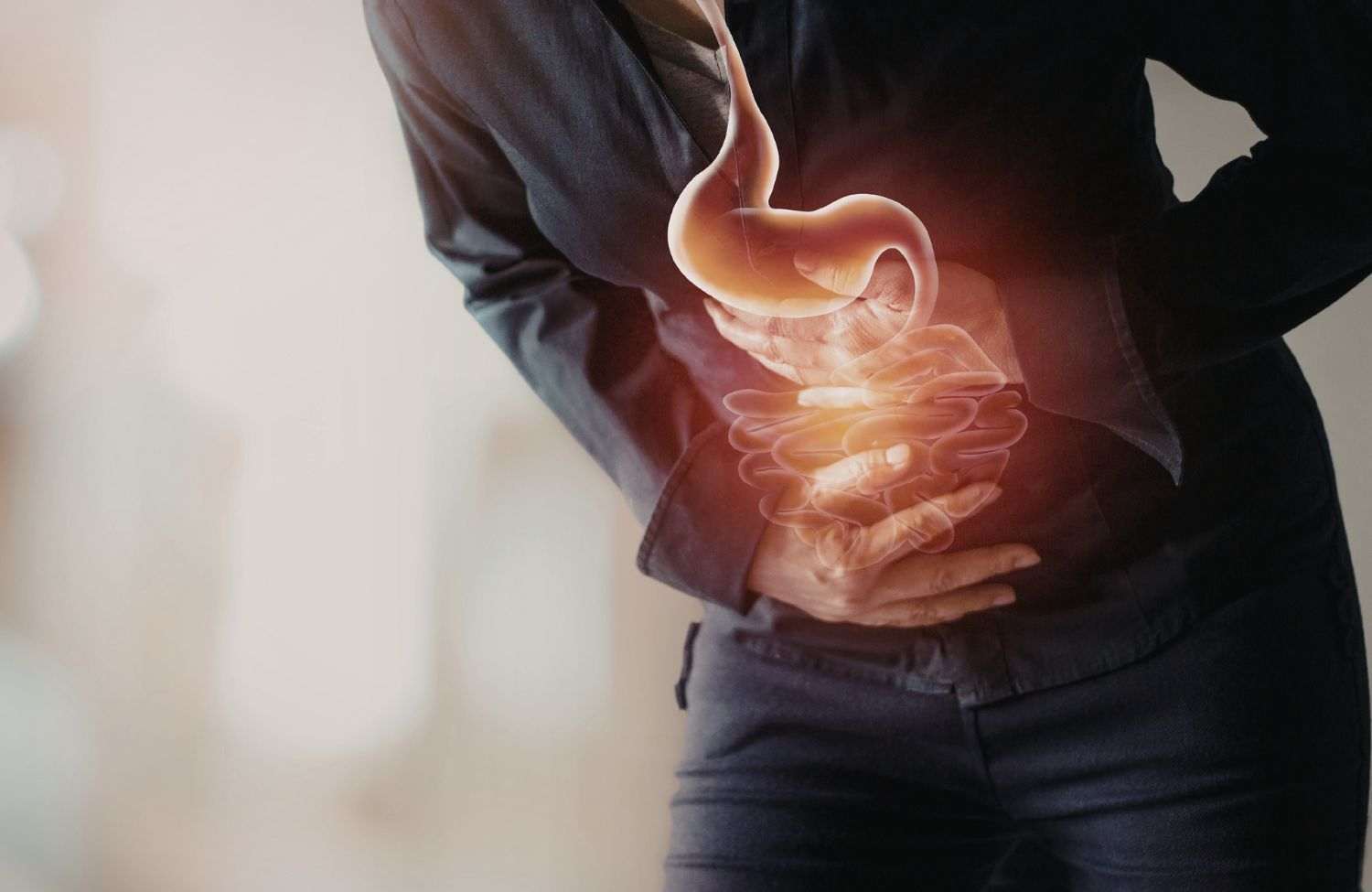
A lot of people think that digestion is simply about what we consume. But in truth, how we live, especially how we deal with stress and sleep, has a big effect on how our digestive system works.
You’re not the only one who has had stomach problems while they were stressed or had trouble with their digestion after a bad night’s sleep. Doctors term the gut-brain axis the connection between the gut and the brain.
Knowing this link can help you keep your gut health in good shape.
The Link Between the Gut and the Brain
Nerves, hormones, and chemical signals keep your brain and digestive system in touch with each other all the time.
Your brain sends messages that alter the whole digestive process when you are stressed or don’t get enough sleep.
These modifications can have an effect on:
- Making stomach acid
- Movement of the intestines
- Balance of gut bacteria
- Hunger and breaking down food
This is why emotional stress can often cause stomach problems.
How Stress Affects Your Stomach
Stress makes the body ready to “fight or run away.” The body puts survival tasks ahead of digestion in this state.
Increased stomach acid
Stress can make the stomach make too much acid, which can cause:
- Reflux of acid
- Heartburn
- Gastritis
This irritation might make you very uncomfortable over time.
Slower digestion
Digestion slows down when the body is under stress.
Food may stay in the stomach longer, which might lead to:
- Bloating
- Gas
- Indigestion
Some people can get constipated when they are under a lot of stress for a long time.
Irritable Bowel Syndrome (IBS) Symptoms
IBS is often caused by stress.It can make:
- Cramps in the stomach
- Diarrhea
- Not being able to poop
- Changes in how often you go to the bathroom
People who already have digestive problems can have severe symptoms even with little stress.
How Not Getting Enough Sleep Affects Your Digestive Health
Sleep is very important for keeping hormones and other body functions in check, like digestion.
Poor sleep can cause a number of stomach problems.
Disruption of gut bacteria
There are trillions of good bacteria in your digestive system that help break down food and keep your immune system strong.
Lack of sleep can throw this equilibrium off, which can cause:
- Discomfort in the digestive system
- Less absorption of nutrients
- More swelling
A gut microbiota that is out of balance might also have an effect on health.
More hunger and bad food choices
Not getting enough sleep changes hormones that influence hunger.
This often results in:
- More desires for sweet foods
- Eating too much
- Eating late at night
These habits put more stress on the digestive system.
More likely to get acid reflux
Acid reflux can get worse if you sleep badly or lie down soon after eating.
When the stomach is still functioning at night, acid can move back into the food pipe, which can hurt and burn.
Signs Your Digestive System Is Affected by Stress or Sleep
You can notice the following if stress and bad sleep are bothering your gut:
- Stomach ache a lot
- Gas or bloating
- Bowel movements that aren’t regular
- Feeling sick
- Not wanting to eat
- Reflux of acid
These signs commonly show up when you’re under a lot of stress or haven’t gotten enough sleep the night before.
How to Protect Your Digestive Health
Making changes to your daily behaviors can have a big effect.
Manage stress
Do things that help you relax, like:
- Meditation
- Exercises for deep breathing
- Light exercise
- Being outside for a while
Even modest things you do every day to relax can assist your digestion.
Improve sleep habits
Some good sleep habits are:
- Getting 7 to 8 hours of sleep each night
- Staying away from big meals before bed
- Limiting how much time you spend in front of a screen at night
- Keeping a regular sleep schedule
Good sleep helps the body’s natural digestion rhythm get back on track.
Be aware of what you eat
Eating slowly and choose meals that are balanced will help your stomach feel better.
Pay attention to:
- Foods high in fiber
- Getting enough water
- Limiting foods that have been processed
- Not getting too much caffeine
When you eat regularly and in a balanced way, your digestive system performs best.
When to Go to the Doctor
It’s normal to have digestive problems from time to time. But you shouldn’t dismiss symptoms that don’t go away.
If you have any of the following, see a doctor:
- Severe or recurrent discomfort in the stomach
- Acid reflux that doesn’t go away
- Weight reduction that can’t be explained
- Digestive problems that keep happening
Early evaluation helps avoid problems that last a long time.
Conclusion
Your emotional and physical health have a big effect on your digestive system. Stress and not getting enough sleep can make your digestion go wrong. This can lead to symptoms like bloating, acid reflux, and bowel movements that aren’t regular.
Taking care of your mind and getting enough sleep could help your digestive system perform better.
Sometimes, the greatest method to heal your gut is to do more than just eat well. You also need to achieve balance in your daily life.