Many people with diabetes also have a fatty liver. Most of them never know it. These two conditions push each other forward. This blog explains that link and what you can do about it.
What Fatty Liver Disease Means
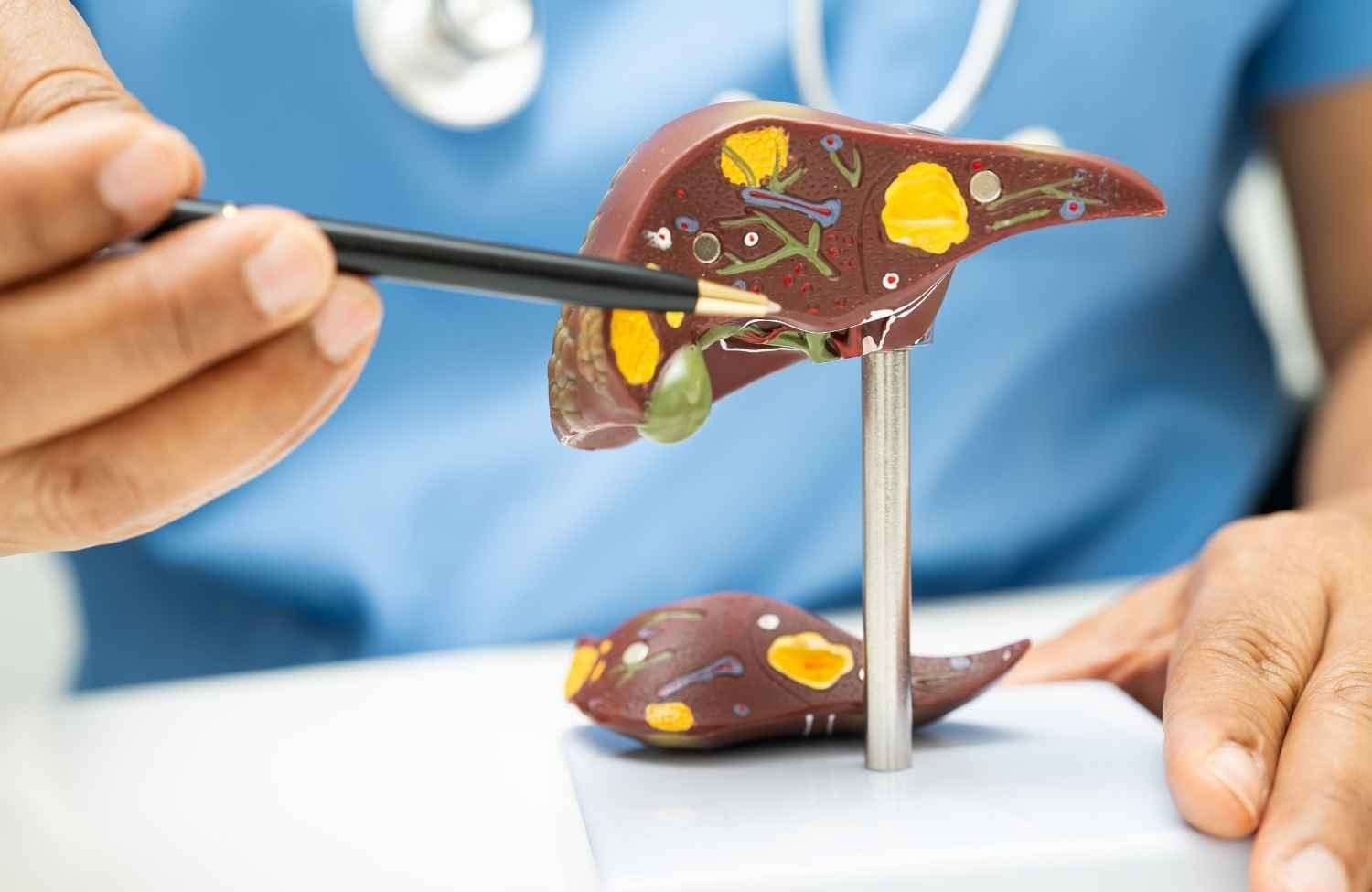
Your liver stores a small amount of fat normally. Trouble begins when that fat keeps building up. Doctors call this non-alcoholic fatty liver disease.
A healthy liver holds under five percent fat. Anything above that counts as fatty liver. This is now the most common liver problem worldwide. India is seeing a sharp rise too. It happens even in people who avoid alcohol. Early on, the liver is only fatty. Later, it can become swollen and scarred. That stage is far harder to reverse. Doctors also grade the condition from one to three.
The Common Link: Insulin Resistance
Insulin is a hormone made by the pancreas. It moves sugar from blood into your cells. Sometimes the cells stop responding well to it. Doctors call this insulin resistance.
Belly fat plays a big role here. Fat cells around the waist release free fatty acids. These acids travel straight to the liver. The liver then packs them into storage.
The pancreas also makes even more insulin. High insulin tells your liver to store fat. Blood sugar rises at the same time. So one problem creates both conditions together. Insulin resistance often starts years before diabetes appears.
How Diabetes Damages The Liver
High blood sugar keeps extra fuel in the blood. Your liver turns this extra fuel into fat. Over years, the fat load becomes heavy.
Extra fat also irritates the liver cells. This creates slow, ongoing inflammation inside. Poorly controlled sugar speeds up this damage.
Type 2 diabetes also raises harmful blood fats. Triglyceride levels climb along with sugar levels. This adds more fat to the liver. Long years with diabetes raise the risk further. Nearly six in ten diabetics develop fatty liver.
How Fatty Liver Worsens Diabetes
The connection works in both directions. A fat-filled liver stops responding to insulin. It releases sugar into the blood when it should not.
Blood sugar then becomes harder to control. Your diabetes medicines may work less well. Doses often need to be increased. Some people are diagnosed with both problems together.
This forms a cycle that continues to repeat. Increased sugar leads to liver fat, which, in turn, increases sugar levels. To break this cycle, there is a need for measures from both sides. People suffering from both conditions are at an increased risk for their heart.
Who is at Increased Risk?
There are some people who are at greater risk compared to others.
- People with type 2 diabetes
- People with excess belly fat
- People with high triglycerides or low HDL
- High blood pressure
- Women with polycystic ovary syndrome
- People with a family history of diabetes
- Those who sit for most of the day
Indians face this risk at lower body weights. Even slim people can have a fatty liver.
Why It Often Goes Unnoticed
Fatty liver rarely causes clear symptoms early. Many patients feel completely fine for years. Some notice constant tiredness or weakness. Others feel a dull ache on the right side.
These signs are easy to blame on stress. That is why the disease spreads quietly. Most cases are found during routine tests.
Methods of Examining Your Liver for Any Problem
The detection process is easy and painless. Your liver enzymes are tested in your blood. Elevated levels of SGPT or SGOT mean that something is not right.
An ultrasound detects the fat in your liver. A fibrosis test will check on your liver’s stiffness. In addition, your sugar and lipid levels will be checked.
What Happens If You Ignore It
Untreated fatty liver does not stay quiet forever. Inflammation slowly damages liver cells. Scar tissue then replaces healthy tissue. This stage is called fibrosis.
Heavy scarring leads to cirrhosis. The liver then struggles to do its work. Only very few patients end up with liver cancer. Heart disease risk also rises sharply.
Steps That Protect Both Conditions
The good news is real. Early fatty liver can improve fully.
- Lose seven to ten percent of body weight.
- Walk briskly for thirty minutes daily.
- Add strength exercise twice each week.
- Cut sugar, sweets and packaged juices.
- Avoid maida, white bread and fried snacks.
- Eat more vegetables, dal and whole grains.
- Take your diabetes medicines on time.
- Stop alcohol completely to protect the liver.
Slow, steady weight loss works best. Crash diets can harm the liver instead.
When To Meet A Specialist
Certain signs need medical attention quickly. Do not wait if you notice yellow eyes or skin. Swelling in the legs or belly is serious. Vomiting blood needs emergency care.
Also seek advice if your liver enzymes stay high. Ongoing right-side pain deserves a check-up. You can get your liver assessed by a liver specialist in Surat.
Balancing Both for Optimal Health
It isn’t enough to address either disease. Managing blood glucose aids the healing process of the liver. On the other hand, decreasing the fat in the liver will also help in managing glucose levels.
Ensure that you request your doctor to check your liver at your next appointment regarding diabetes. Ensure that this test is done annually. Small actions done daily go a long way here.