Hearing the word cancer is hard enough. Then someone mentions surgery, and the questions start piling up. Does everyone need an operation? Is it too late? Can chemo do the job instead?
The short answer is this. Surgery is often part of the plan when the cancer is found early and is still sitting in one place. But not always. A lot depends on where it started, how far it has gone, and how strong the person is overall.
Let’s go through it slowly.
First, What Counts as Gastrointestinal Cancer?
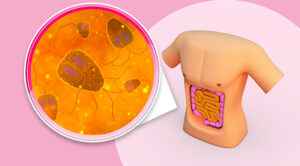
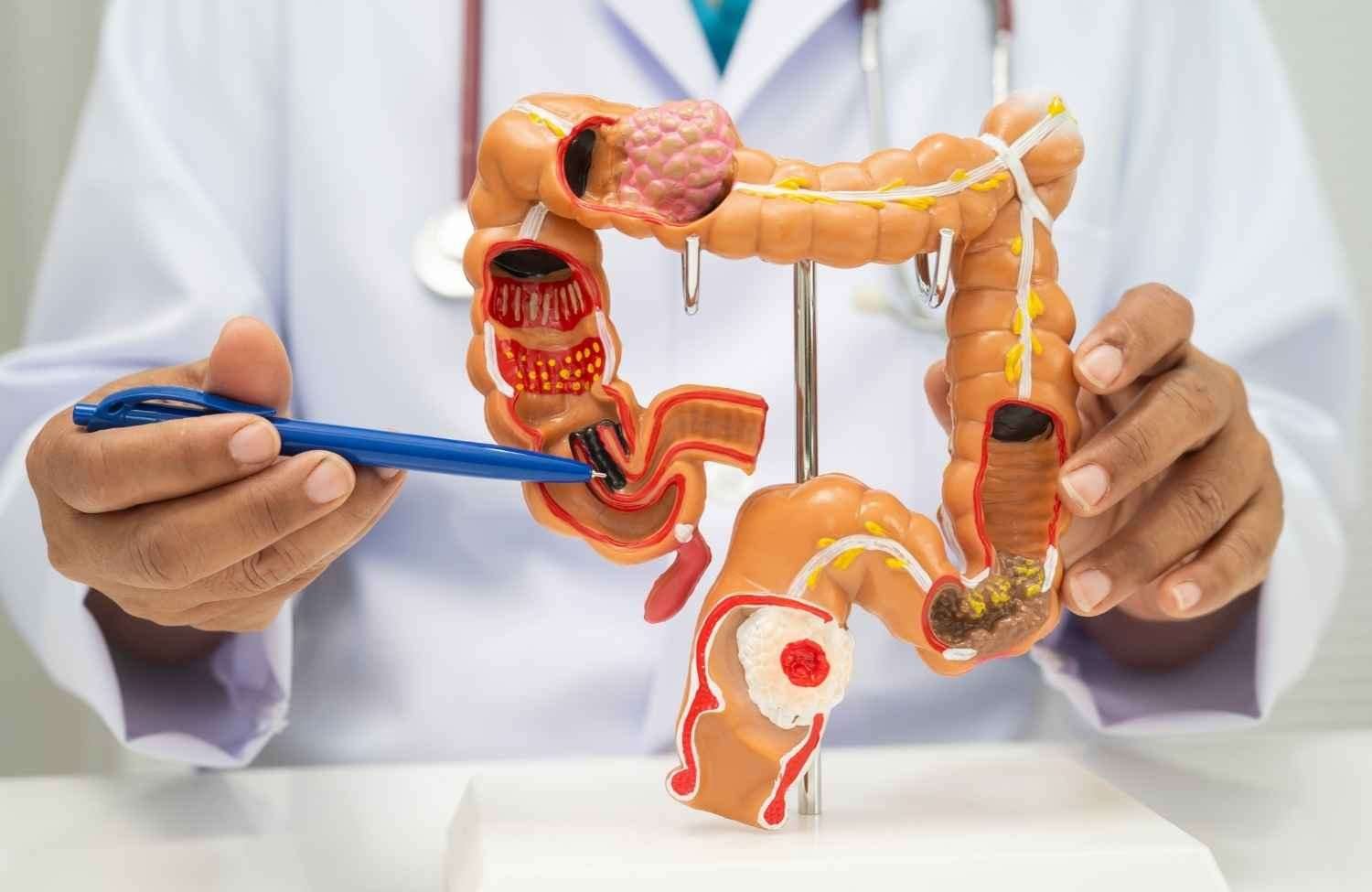
The gastrointestinal tract, or GI tract, is the path food takes through the body. That’s the food pipe, the stomach, the small intestine, the large bowel and the rectum. The liver, pancreas and gallbladder are usually grouped in too, since they help with digestion.
Each of these parts behaves a little differently. So a decision about surgery for stomach cancer won’t look the same as one for bowel cancer.
So, When Does Gastrointestinal Cancer Require Surgery?
There’s no single rule. Still, doctors tend to think about an operation in situations like these:
- The tumour is still local and hasn’t spread to faraway organs
- It is blocking the gut, so food can’t pass properly and there’s vomiting or a swollen belly
- Bleeding that keeps coming back and won’t settle with other treatment
- Sometimes after chemotherapy or radiation has shrunk the tumour first, making it easier to remove
- A tear in the bowel wall, which is an emergency
In many early cases, the aim is to take out the affected part along with some nearby lymph nodes. Lymph nodes are small glands that can trap cancer cells, so checking them tells the team a lot.
What Doctors Look At Before Deciding
Nobody jumps straight to the operating table. A few things get checked first.
The stage matters most. Stage just means how big the cancer is and whether it has spread. Location matters too, because some areas are trickier to reach than others.
Then comes general health. Heart, lungs, sugar levels, kidney function. Age on its own isn’t the deciding thing; fitness is.
Tests usually include an endoscopy, which is a thin camera passed through the mouth or back passage, plus a biopsy, a CT or PET scan and blood work. In most hospitals, a surgeon, an oncologist and a radiologist look at the reports together before suggesting a plan.
When Surgery May Not Be the First Step
Sometimes it isn’t. If the cancer has spread widely, an operation may not help much, and other treatments come first.
Very early cancers can occasionally be removed through an endoscope, with no cut on the tummy at all. And if a person is too weak, the team might focus on building strength before anything major.
Chemo or radiation may also be given first. Then the surgery question gets asked again a few weeks or months later.
What Kind of Surgery Are We Talking About?
There are a few ways to do it. Open surgery uses one larger cut. Laparoscopic surgery, often called keyhole surgery, uses small cuts and a camera. Some centres also offer robotic-assisted surgery.
Which one suits you depends on the tumour and your body. Keyhole often means a bit less pain and a shorter stay, but it isn’t right for everyone.
Some bowel operations need a stoma for a while. A stoma is an opening on the belly where waste collects in a bag. For many people it’s temporary. For a few, it stays.
What Is Recovery Usually Like?
Most people stay in hospital for a few days, sometimes a week or two. Eating starts slowly, with liquids first, then soft food like khichdi, dal-rice or curd. Small meals, more often.
Walking early really helps. Even short rounds in the ward.
Some patients will need chemo after surgery. Regular follow-ups carry on for a long time, usually every few months at first and then less often.
Signs You Shouldn’t Brush Aside
Get checked if you notice any of these for more than a couple of weeks:
- Trouble swallowing, or food feeling stuck
- Blood traces in the stool, or black, tarry stools
- Losing weight without trying
- Belly pain that keeps returning
- Feeling full very quickly
Go to emergency straight away if there’s severe tummy pain, vomiting blood, or you can’t pass stool or gas at all.
A Few Quick Questions
Is surgery always needed for GI cancer? No. It depends on the stage, the location and your overall health.
Can I have chemo instead of surgery? Sometimes chemo comes first, sometimes after, sometimes instead. The team decides based on scans.
Will I need a stoma? Not everyone. It’s mostly some bowel and rectal operations, and often only for a while.
Talking It Through
If you or someone at home has been told about a GI cancer and surgery has come up, sitting down with a specialist helps sort out the options. For further information on gastrointestinal cancer treatment in Surat, you can explore the treatment approaches offered by Dr. Jay Chokshi.