Gas and bloating are common digestive complaints. They can still disrupt daily comfort greatly. Simple changes often bring quick relief. This blog shares expert tips to manage them.
Most people experience gas and bloating at some point. It is rarely a serious health issue. Understanding the cause helps find relief faster. Small daily habits often make a big difference.
The rest of the blog stays exactly as before – let me know if you’d like the complete version pasted again, or if this section slots in fine as is.
How Do Gas and Bloating Occur?
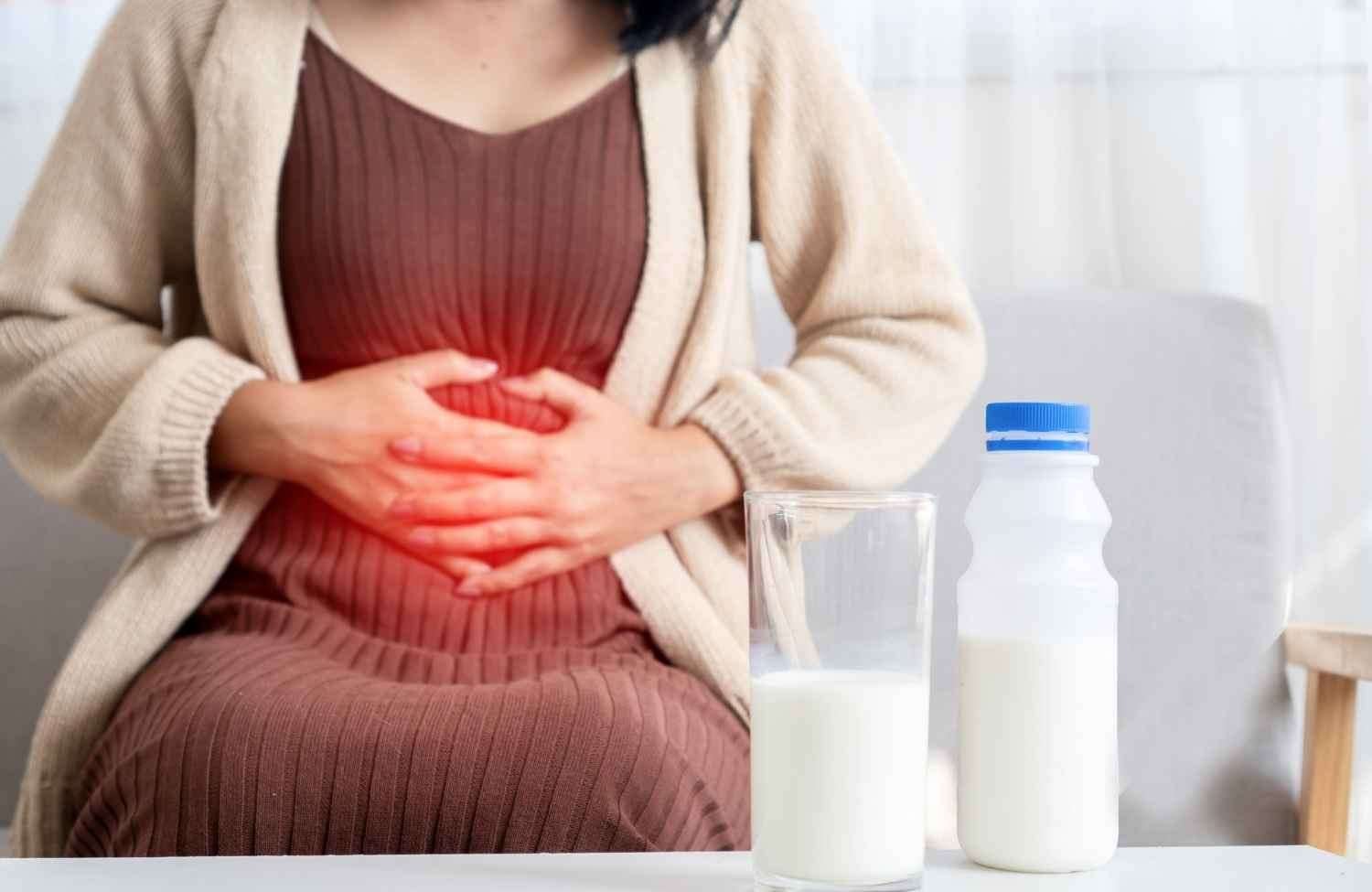
Gas production is due to the digestion of specific foods by the body. Bloating occurs because of the presence of gases trapped inside the body. Air ingestion contributes further to this issue.
Common Triggers of Gas and Bloating
Several everyday habits can trigger these symptoms.
- Eating too fast or talking while eating
- Drinking carbonated or fizzy beverages
- Chewing gum throughout the day
- Eating large meals in one sitting
- Stress and irregular eating patterns
Foods That Commonly Cause Gas
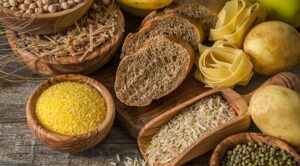
Certain foods are known to cause more gas. Beans and lentils often lead to bloating. Cabbage, broccoli, and cauliflower have a similar effect on digestion. Onions and garlic can also trigger gas in many people.
Dairy products cause problems for individuals who have issues digesting lactose. Processed foods can hinder digestion.
When Gas and Bloating Point to Something More Serious
Gas is common, but nothing to worry about in most cases. But if you are facing the symptoms listed below, then it is best to consult an expert.
- Bloating that lasts several days
- Sharp or ongoing abdominal pain
- Unexplained weight loss with bloating
- Blood in stool along with symptoms
- Bloating that disturbs daily activities
Simple Tips to Reduce Gas and Bloating
Gradual modification of behavior can reduce these symptoms.
- Chew your food carefully
- Do not talk when eating
- Avoid carbonated beverages and chewing gum
- Take short walks after having a meal
- Control stress with relaxation exercises
Helpful Diet Changes
Diet is an important factor in digestion. You can avoid bloat by making simple changes to your diet.
- Eat small portions more often
- Gradually cut back on salt consumption
- Introduce fiber slowly into your diet
- Stay hydrated throughout the day
- Limit artificial sweeteners in food
Lifestyle Habits to Reduce Bloating
Daily habits also affect gas and bloating.
- Exercise regularly to support digestion
- Get enough sleep every night
- Avoid tight clothing around the waist
- Quit smoking to improve gut health
- Practice mindful, relaxed eating habits
Common Myths About Gas and Bloating
Many myths surround this everyday issue.
- Myth: Bloating always means overeating.
Fact: Many factors beyond food cause bloating.
- Myth: Gas is always harmless.
Fact: Frequent gas can signal a digestive issue.
- Myth: Only spicy food causes bloating.
Fact: Many bland foods trigger it too.
- Myth: Home remedies fix all cases.
Fact: persistent symptoms need medical evaluation.
Natural Remedies to Try at Home
Some home remedies offer gentle, quick relief.
- Warm water with a slice of lemon
- Peppermint or ginger tea after meals
- A short walk to ease trapped gas
- Gentle abdominal massage in circular motion
- Warm compress on the stomach area
How Gas and Bloating Are Diagnosed
Doctors use several methods to find the cause. A detailed history often comes first.
- Discussion of diet and daily habits
- Physical examination of the abdomen
- Blood tests to check for infections
- Imaging tests for structural problems
- Endoscopy in more persistent cases
Treatment Options for Chronic Bloating
Treatment depends on the underlying cause found.
- Dietary changes guided by a specialist
- Medications to reduce gas or improve digestion
- Treatment for conditions like acid reflux
- Management of irritable bowel syndrome, if present
- Surgery only in rare, specific cases
When to See a Gastrosurgeon
See a specialist if symptoms keep returning. Persistent bloating may point to a deeper cause. A gastrosurgeon can check for underlying conditions.
Early diagnosis leads to better treatment outcomes. Dr Jay Chokshi evaluates digestive symptoms in detail.
Foods That Can Ease Bloating
Some foods actually help reduce bloating naturally.
- Ginger, known for soothing digestion
- Yogurt with live, active cultures
- Cucumber, which has high water content
- Bananas, rich in potassium
- Papaya, which aids digestion
When to Consult an Expert?
Do not ignore ongoing gas or bloating. It may signal an underlying digestive issue. Dr Jay Chokshi, best gastroenterologist in Surat treats digestive problems.
Accurate diagnosis leads to long-term relief. Schedule your consultation today and receive professional treatment.