Occasional acidity happens to almost everyone at some point. But frequent acidity may point to something more. This condition is called GERD. This blog explains seven signs worth noticing.
What Is GERD?
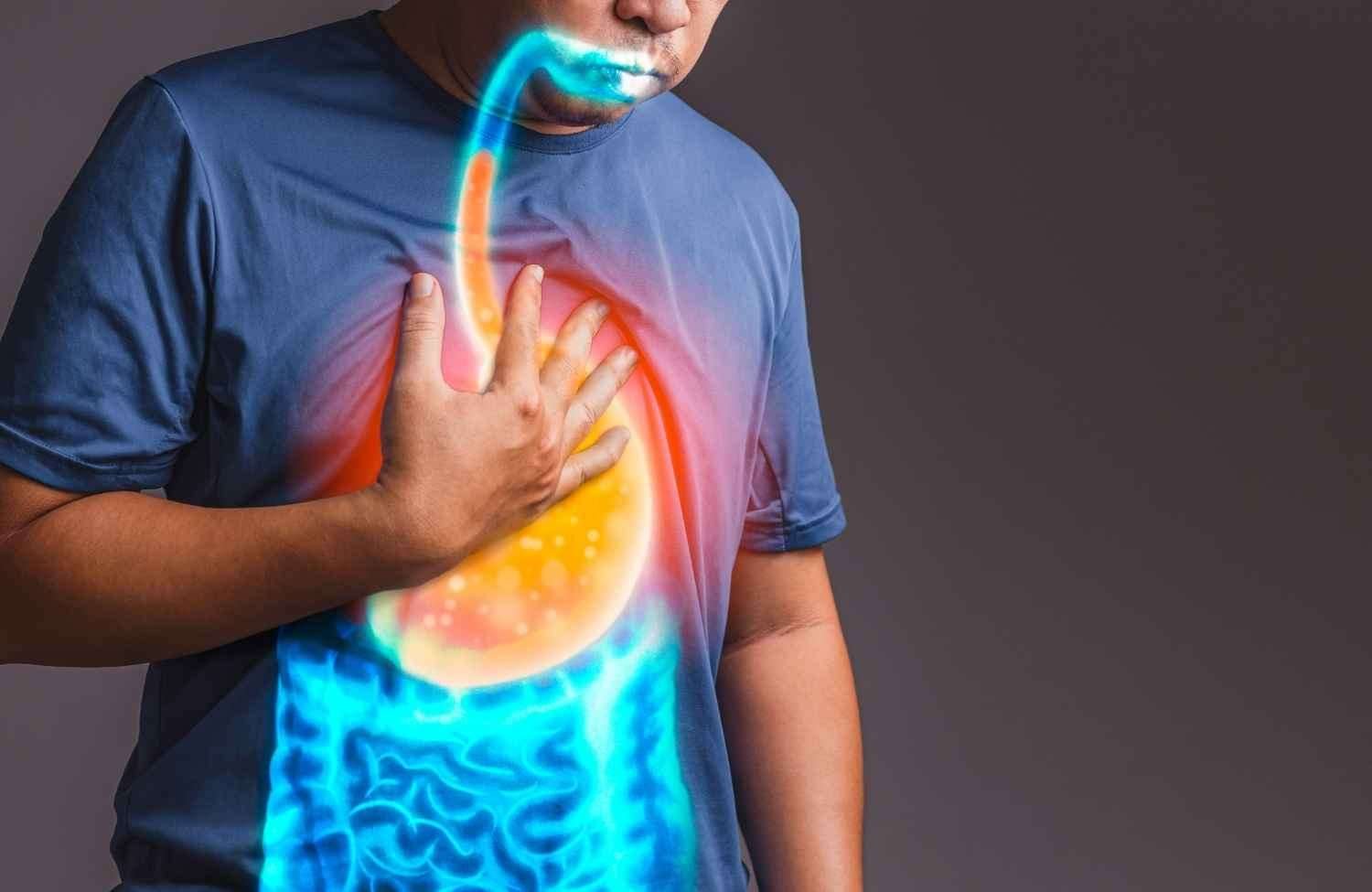
GERD means gastroesophageal reflux disease. Reflux from the stomach occurs in GERD. This acid is regurgitated into the esophagus. Due to this, the lining of the esophagus becomes irritated. However, it is different from normal acidity as it occurs repeatedly.
Valve Failure
This valve is weakened due to which stomach acid escapes into the esophagus and the esophagus gets irritated frequently causing permanent damage.
GERD vs Simple Acid Reflux
There is confusion among many people regarding the two because acid reflux is a normal process that occurs occasionally in people after spicy and heavy foods.
It needs proper diagnosis and long-term management. Knowing the difference helps you seek the right care.
How Is GERD Different from Normal Acidity?
Normal acidity happens occasionally after certain foods. It usually goes away with simple remedies. GERD happens more frequently and persistently. It often needs proper medical attention.
You should not neglect GERD issues in your body, or else it can become a complex issue. Frequent symptoms should never be sidelined.
7 Warning Signs Your Acidity May Be GERD
Watch for these signs if acidity feels frequent.
- Heartburn that occurs more than twice weekly
- Note if you feel a bitter or sometimes sour taste in your mouth
- Difficulty or pain while swallowing food
- A dry cough that will not go away
- Chest pain that mimics heart discomfort
- The sensation that food has become lodged in the throat
- Symptom aggravation while lying down at night
Importance of Identifying These Symptoms
These symptoms indicate much more than just acidity. Reflux on a frequent basis can cause problems with the lining of the food pipe. Neglecting these symptoms may cause complications.
Do not dismiss repeated symptoms as minor issues. Tracking how often symptoms occur helps your doctor. This information supports a faster, more accurate diagnosis.
Foods That Can Trigger GERD Symptoms
Certain foods are well known to exacerbate the symptoms of GERD. Fatty and spicy foods have been found to cause GERD symptoms in many cases.
Fruits like citrus and tomatoes may upset some people. Caffeinated beverages and soda put extra pressure on the valve. Both chocolate and mint may relax the muscle of the valve. Finding out your trigger will help you manage your symptoms better.
GERD Risk Factors
There are certain risk factors for GERD. Obesity is known to cause additional pressure on the stomach. Smoking causes weakening of the muscles that prevent acid reflux.
Eating large meals late at night contributes to it. Certain foods and drinks can trigger symptoms further. A family history of GERD may also play a role.
How Is GERD Diagnosed?
Doctors often start with a detailed symptom history. They may recommend an endoscopy for confirmation.
This test examines the food pipe lining closely. Sometimes acid level tests are also performed. Diagnosis helps guide the right GERD treatment plan. Imaging tests may also help in certain cases.
Treatment Options for GERD
Treatment usually starts with lifestyle and diet changes. Doctors may also prescribe acid-reducing medication.
Severe cases sometimes need surgical treatment options. Dr Jay Chokshi evaluates each case before suggesting treatment. The right plan depends on symptom severity. Combining medication with lifestyle changes often works best.
Lifestyle Modifications for GERD Management
Some simple modifications made in everyday life may help alleviate GERD problems.
- Eat smaller portions more often
- Do not lie down immediately after eating
- Limit spicy, fried, and fatty foods
- Reduce caffeine and carbonated drinks
- Maintain a healthy body weight
- Elevate your head slightly while sleeping
Complications of Untreated GERD
Untreated GERD can lead to serious problems. It may cause inflammation in the food pipe. Long-term GERD can also narrow the esophagus. Rarely, it raises the risk of serious changes.
Regular monitoring will help avoid these complications. Inflammation that is persistent can affect everyday life as well as sleeping.
Resolving Questions
Questions that patients have include whether GERD can be cured. Many people do fine with their GERD if it is managed well. Others want to know if diet alone can cure it. While diet can help a lot, further management is needed.
Nighttime symptoms often disturb rest for many patients. People also ask when surgery becomes necessary. Surgery is usually considered only in severe, persistent cases.
Preventing GERD from Developing
Prevention starts with mindful, consistent daily habits. Avoid overeating and eating too quickly. Stay upright for a while after meals. Manage stress, as it can worsen symptoms. Regular exercise also supports healthy digestion overall.
When to See a Gastro Specialist
See a specialist if symptoms occur frequently and disrupt daily life. Do not ignore chest pain or swallowing trouble. Dr Jay Chokshi in Surat treats GERD and reflux issues. Early diagnosis leads to better long-term outcomes. Book your appointment today for proper care.