For years, most people assumed fatty liver was something that happened only to those who drank too much or carried extra weight. But walk into any clinic today, and you’ll hear a different story. More and more young adults — many of them slim, active-looking, and nowhere near alcohol — are being diagnosed with fatty liver.
Naturally, the first reaction many of them have is: “How is this even possible?”
And honestly, it’s a fair question. Fatty liver showing up in people who appear perfectly healthy from the outside is one of the biggest health shifts of the last decade.
Let’s try to understand what’s going wrong.
What Exactly Is Fatty Liver?
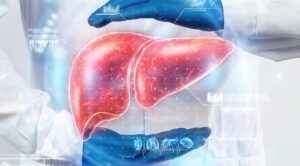
Think of the liver as a hardworking filter. A little fat inside it is normal, but when the fat starts piling up, the liver becomes overloaded. Once the fat content crosses a certain point, doctors call it fatty liver.
There are two broad types:
- Alcohol-related
- Non-alcoholic fatty liver disease (NAFLD)
It’s the second one that’s becoming worryingly common in younger, lean people.
So Why Are Slim People Getting Fatty Liver?
This surprises almost everyone. Someone who isn’t overweight doesn’t expect to hear they have fatty liver. But the numbers show a clear pattern — weight alone isn’t the only factor anymore.
Here are the real reasons behind this rising trend:
1. The “Skinny Outside, Fat Inside” Problem
Some people carry fat deep inside the abdomen, around the organs. You can’t see it from the outside, but it quietly affects metabolism and the liver. This is often called being “skinny fat,” and it’s more common than people think.
2. Too Much Sugar & Processed Food
You don’t need to eat oily food to damage the liver. Modern diets — breads, biscuits, chocolates, packaged snacks, desserts, soft drinks — put huge pressure on the liver. These foods turn into fat quickly, even in thin people.
If your meals look “normal,” but your snacks and drinks aren’t, the liver still suffers.
3. Long Hours of Sitting
A slim body doesn’t automatically mean a healthy liver. Many young professionals sit for 8–10 hours straight. Even if you’re not overweight, being inactive slows metabolism and encourages fat buildup in the liver.
4. Genetics & Family History
Some people are simply more prone to storing fat in the liver. If your parents have diabetes, fatty liver, or cholesterol problems, your chances go up — even with a normal body weight.
5. Hormonal Issues (Like PCOS or Thyroid Problems)
Women with PCOS often deal with insulin resistance, which directly affects the liver. Thyroid issues also slow metabolism, making it easier for fat to accumulate.
6. Stress & Lack of Sleep
It might sound unrelated, but it isn’t. Stress hormones (especially cortisol) push the body to store fat around the organs.
Poor sleep affects blood sugar, insulin, appetite — everything that links back to the liver.
7. Medications Used Regularly
Some long-term medicines, including certain painkillers or steroids, can quietly affect the liver over time. Not everyone notices this until an ultrasound shows the problem.
Is Fatty Liver Really Dangerous?
In the early stages, fatty liver acts like a silent visitor — no pain, no major symptoms. But silently, it affects how the body works.
If ignored, it can turn into:
- Inflammation of the liver
- Scarring (fibrosis)
- Cirrhosis
- Liver failure
- Higher chance of diabetes and heart disease
What troubles doctors now is how early these complications can start showing up in younger patients.
How Do You Know If You Have Fatty Liver?
Most people find out by accident — during an ultrasound done for acidity, bloating, or a general checkup.
Doctors may also check:
- Liver blood tests
- Cholesterol
- Blood sugar
- FibroScan (to check stiffness of the liver)
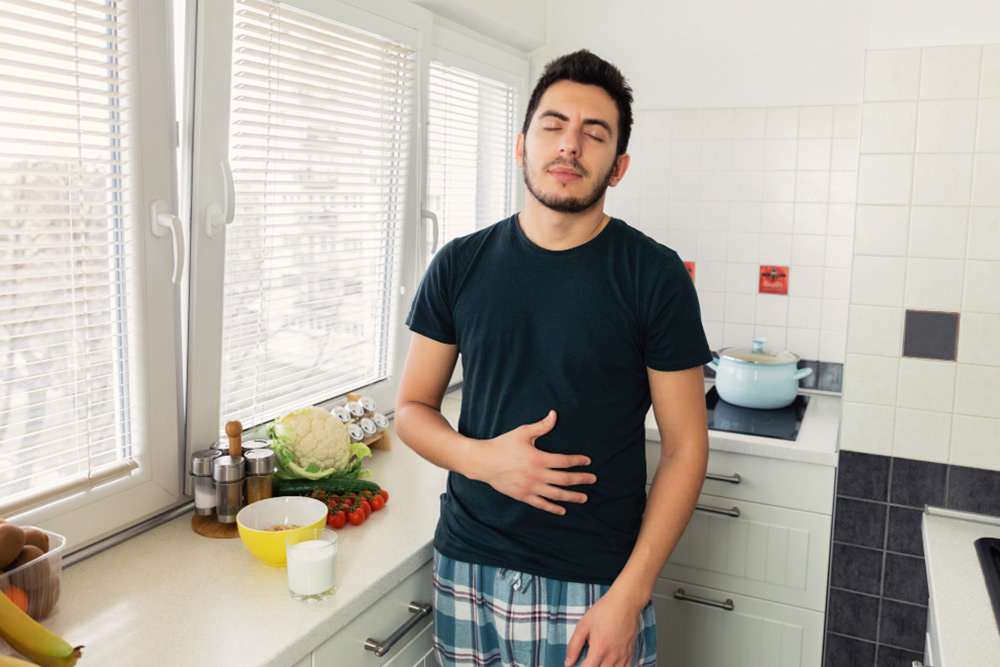
If you feel tired all the time, have bloating, or feel a vague heaviness on the right side, it’s worth getting checked.
Can It Be Reversed?
The hopeful part? Yes.
Fatty liver is one of those problems that often improves with changes in routine — especially if caught early.
Here’s what helps:
1. Cutting Down Sugar & Refined Carbs
This makes a bigger difference than reducing oil. Less of white rice, bakery items, sweets, sugary drinks.
2. Moving More
You don’t need a gym. Even a brisk walk for 45 minutes most days helps. And avoid sitting for long stretches — stand up every 45 minutes.
3. Eating More Whole, Fresh Foods
Vegetables, whole grains, dals, lean protein, fruits in moderation — simple, home-cooked meals work best.
4. Managing Stress & Sleep
Better sleep means better metabolism. Even small changes in routine help the liver heal.
5. Treating Underlying Conditions
PCOS, thyroid issues, diabetes, high cholesterol — managing these makes fatty liver easier to reverse.
Conclusion
The rise of fatty liver in young, slim, non-alcoholic people is a reminder that health isn’t just about how we look. You can be thin and still struggle with metabolic issues. The liver, unfortunately, doesn’t show early warning signs — which is why regular checks and lifestyle awareness matter so much.
The good news? With early action, fatty liver can often be reversed.
The key is not ignoring it just because you “look healthy.”
The key is not ignoring it just because you “look healthy.”