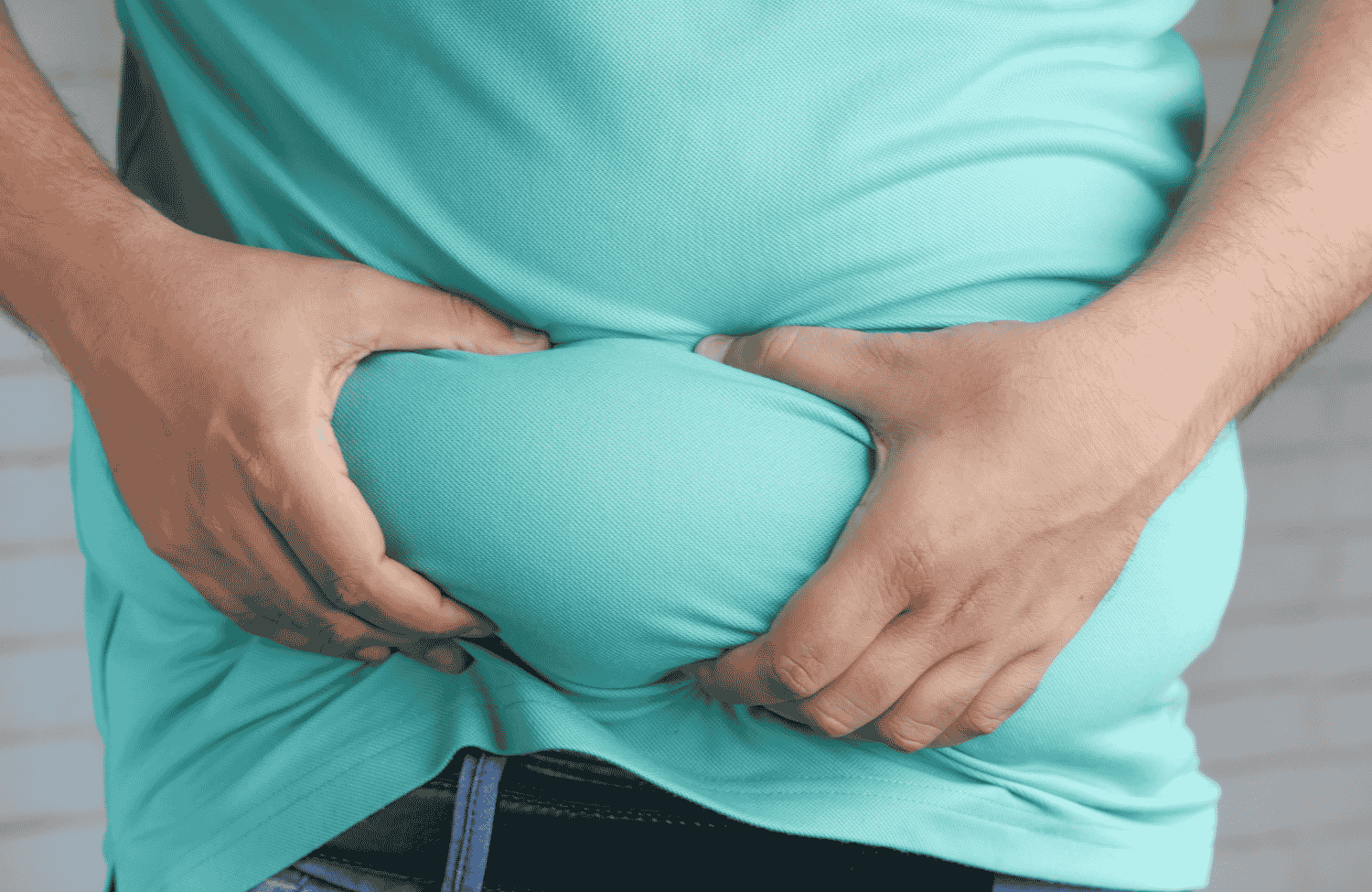
Obesity is more than a weight problem. It also raises your risk of hernia. Extra body weight puts pressure on muscles. This blog explains how obesity leads to hernias.
What Is a Hernia?
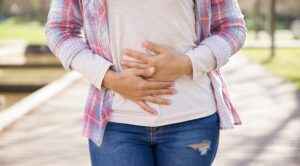
A hernia happens when tissue pushes through weak muscle. This often occurs in the abdomen area. It can cause a visible bulge and pain. Weak muscles make this more likely.
How Does Obesity Cause Hernias?
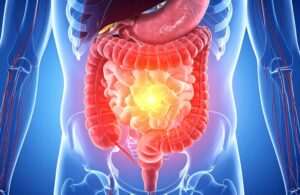
Increased body mass applies continuous pressure in the abdominal area. The pressure is exerted against weak muscle walls. Eventually, the muscle wall yields, creating an entry point for tissue protrusion.
Common Types of Hernias Linked to Obesity
Certain hernia types are more common in obese patients. Extra weight affects several body areas at once.
- Umbilical hernias, near the belly button
- Incisional hernias, at old surgery scars
- Inguinal hernias, in the groin area
- Hiatal hernias, near the upper stomach
Why Obesity Increases Hernia Risk
Several factors link obesity directly to hernia formation.
- Higher abdominal pressure from excess fat
- Weaker abdominal muscles from inactivity
- Poor blood flow slowing tissue repair
- Strain from frequent coughing or breathing issues
- Slower wound healing after any surgery
Symptoms to Watch For
Obese patients should watch for early hernia signs. Catching symptoms early helps avoid bigger problems later.
- A visible bulge under the skin
- Pain that worsens with activity
- A heavy or pulling sensation
- Discomfort while bending or lifting
Why Obesity Makes Hernia Surgery Riskier
Obesity raises complications during hernia surgery too. Extra fat makes surgery technically more difficult. Healing also takes longer in obese patients. Recurrence rates are higher without weight control. Dr Jay Chokshi evaluates weight before planning surgery.
Why Weight Loss Prevents Hernias
Weight loss lessens the strain on abdominal muscles. It decreases the risk of developing a hernia. Weight loss will also contribute to better surgical results in the future. The loss of any amount of weight will help.
Obesity and Its Relation to Hernias
Fatty tissue is not only an increase in weight. It increases the internal pressure in the abdominal cavity. That pressure affects muscles non-stop. Muscles’ weak points stretch little by little. Thus, after some time, a hernia appears.
What Group Is Most Vulnerable to Hernia?
- It is not necessary for all overweight people to have a hernia.
- High body mass index patients
- Fat deposit in the abdomen
- Lifestyle involving little physical activity
- People with poor abdominal muscle strength
- Patients who had earlier abdominal surgery
Common Myths About Obesity and Hernia
Many patients believe incorrect ideas about this link.
- Myth: Only heavy lifting causes hernias.
- Fact: Excess weight is an equal risk factor.
- Myth: Thin people never get hernias.
- Fact: weak muscles matter more than size alone.
- Myth: Hernia surgery is impossible for obese patients.
- Fact: It is possible with proper planning.
- Myth: Weight loss alone cures an existing hernia.
- Fact: Surgery is still usually needed.
Diet Tips for Weight and Hernia Management
A healthy eating pattern promotes both good health and healing processes. Little things in our nutrition count.
- Eat plenty of fibrous fruits and veggies every day
- Reduce processed and sweet foods
- Stay hydrated with sufficient water intake
- Avoid overeating to prevent abdominal pressure
- Eat proteins for muscle strength
Prognosis for Obese Patients With Hernias
Weight management helps with hernia prognosis. Patients who manage their weight have fewer complications.
Regular exercise also strengthens the abdominal wall. Combined with medical care, results are usually good. Consistent follow-up remains important after any surgery.
Tips to Manage Weight and Reduce Risk
You do not need to worry; there are many easy paths that you can use to avoid developing a hernia.
- Maintain a balanced diet
- Do exercises regularly
- Stop smoking
- Consult the doctor to treat any cough or constipation
- Do regular health checks
When to Consult an Expert?
See a doctor if you notice any bulge. Do not ignore ongoing abdominal discomfort or pain.
Dr Jay Chokshi treats hernias in obese patients. Early consultation lowers surgery risks significantly. Book your appointment today for proper guidance.