
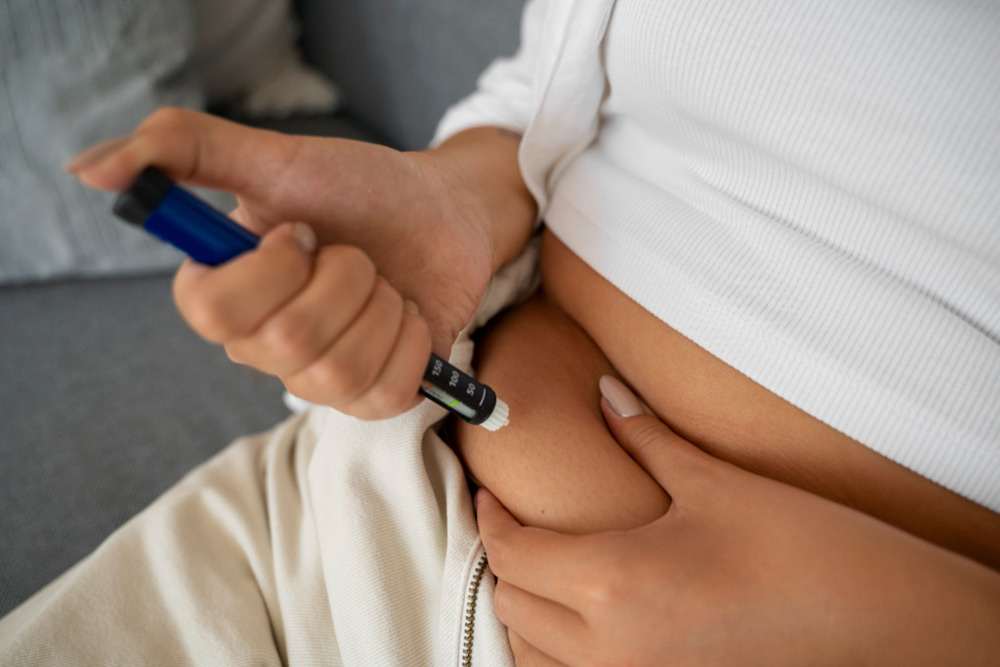
For many people living with type 2 diabetes, keeping sugar levels under control can feel like a never-ending task. You take the medicines on time, try to adjust your meals, maybe even lose a bit of weight — yet the numbers still refuse to cooperate. It’s frustrating, and honestly, exhausting.
Over the past several years, doctors have noticed something important: diabetes isn’t just about high sugar levels. It’s also about how the body’s metabolism works. That’s where bariatric and metabolic surgery has made a huge difference for people who haven’t found relief through the usual route of tablets, insulin, diet, and exercise.
If you’re hearing about this for the first time, or if you’ve been quietly wondering whether it could help you, here’s a simple explanation without the heavy medical jargon.
What Are Bariatric and Metabolic Surgeries?
Bariatric surgery is usually linked to weight loss. But metabolic surgery has a much bigger goal — helping the body respond to insulin better and improving overall metabolism, which in turn helps control diabetes.
A surprising fact many patients share after surgery is this:
Their blood sugars start improving even before they lose major weight.
These surgeries are not magic tricks. They change how the stomach and intestine handle food, which affects hormones and insulin response. And that shift can be life-changing for someone whose diabetes has been stubborn for years.
How Exactly Does This Help Diabetes?
Here’s the simpler version of what happens inside the body:
1. Your body starts responding to insulin better
The cells become more sensitive to insulin, so sugar moves out of the blood more easily.
2. Hormones in the gut behave differently
This helps reduce hunger, improves insulin release, and stabilizes blood sugar.
3. Liver fat decreases
Fat around the organs — especially the liver — is one of the main reasons for poor sugar control. Surgery helps reduce this.
4. Appetite and cravings settle down
People often feel full with much smaller meals, making lifestyle changes far easier than before.
5. Inflammation reduces
This has a positive impact on overall health and diabetes stability.
All of this put together improves sugar levels in a way that medicines alone sometimes struggle to achieve.
Types of Surgeries Used for Diabetes Control
There is not “one best surgery” for everyone. Your medical history, weight, and diabetes status help decide the right option.
Sleeve Gastrectomy
A part of the stomach is removed. People feel full faster, and hormones related to hunger and insulin improve.
Gastric Bypass (Roux-en-Y)
Food bypasses part of the stomach and intestine. This produces strong metabolic changes and is often recommended for long-standing diabetes.
Mini Gastric Bypass
Similar benefits to gastric bypass, but the surgery is simpler and quicker.
Duodenal Switch (for selected patients)
Used in more severe cases. It has the strongest impact on metabolism but is chosen carefully.
Your surgeon will walk you through what fits your body, not just the trend.
Who Should Think About This Surgery?
Metabolic surgery may be an option if:
- You have type 2 diabetes
- Your sugar levels are uncontrolled despite medication
- You’re overweight or obese (BMI guidelines vary)
- You already have diabetes-related health concerns
- Daily routines and energy levels are being affected
Some people with a lower BMI may also be candidates, depending on how severe their diabetes is.
This isn’t a surgery people jump into — it is a considered decision made with your medical team.
What Results Can You Expect?
This is what most people want to know honestly: Does it actually work?
For a large number of patients, it does — and quite noticeably.
Common outcomes include:
- Reduced diabetes medication
- Lower insulin requirement
- Significant improvement in HbA1c
- Weight loss that feels natural and manageable
- Improvement in high BP, cholesterol, and fatty liver
- More energy and better mobility
The aim isn’t to promise a “cure,” but for many, diabetes becomes far easier to manage — sometimes even without insulin.
Life After Surgery
You will need to make changes, but most people find them easier because their appetite naturally decreases.
You’ll be guided on:
- Eating smaller, balanced meals
- Taking vitamin supplements
- Staying active with simple regular exercises
- Attending follow-up visits for monitoring
- Staying hydrated and maintaining good food habits
Recovery varies from person to person, but many return to regular routines sooner than expected.
Is It Safe?
Today’s bariatric and metabolic surgeries are much safer than they were years ago. Most are done laparoscopically (keyhole surgery), which means:
- Smaller cuts
- Less pain
- Quicker recovery
- Shorter hospital stay
Like any surgery, there are risks — but for people with uncontrolled diabetes, the long-term benefits often outweigh these risks.
Conclusion
For someone struggling with diabetes despite medication and lifestyle efforts, metabolically focused surgeries can open the door to a healthier, more manageable life. It’s not about looking thinner; it’s about improving how the body handles sugar, energy, and insulin.
If diabetes has been limiting your lifestyle, affecting your confidence, or exhausting you despite your best efforts, it may be worth discussing this option with a specialist. A single conversation can help you understand whether this path is right for you.
Better control. Better energy. Better health — one informed step at a time.