Pancreatic cancer has a frightening reputation. Most people have heard that it’s hard to treat, and that’s often the first thing families say when the diagnosis comes. The worry is understandable.
But the treatment isn’t a single fixed path. What doctors suggest depends a great deal on the stage, meaning how far the cancer has grown and whether it has spread. Someone with an early tumour will be offered a very different plan from someone whose cancer has reached the liver.
So let’s go stage by stage and look at what the options usually are.
First, a Little About the Pancreas
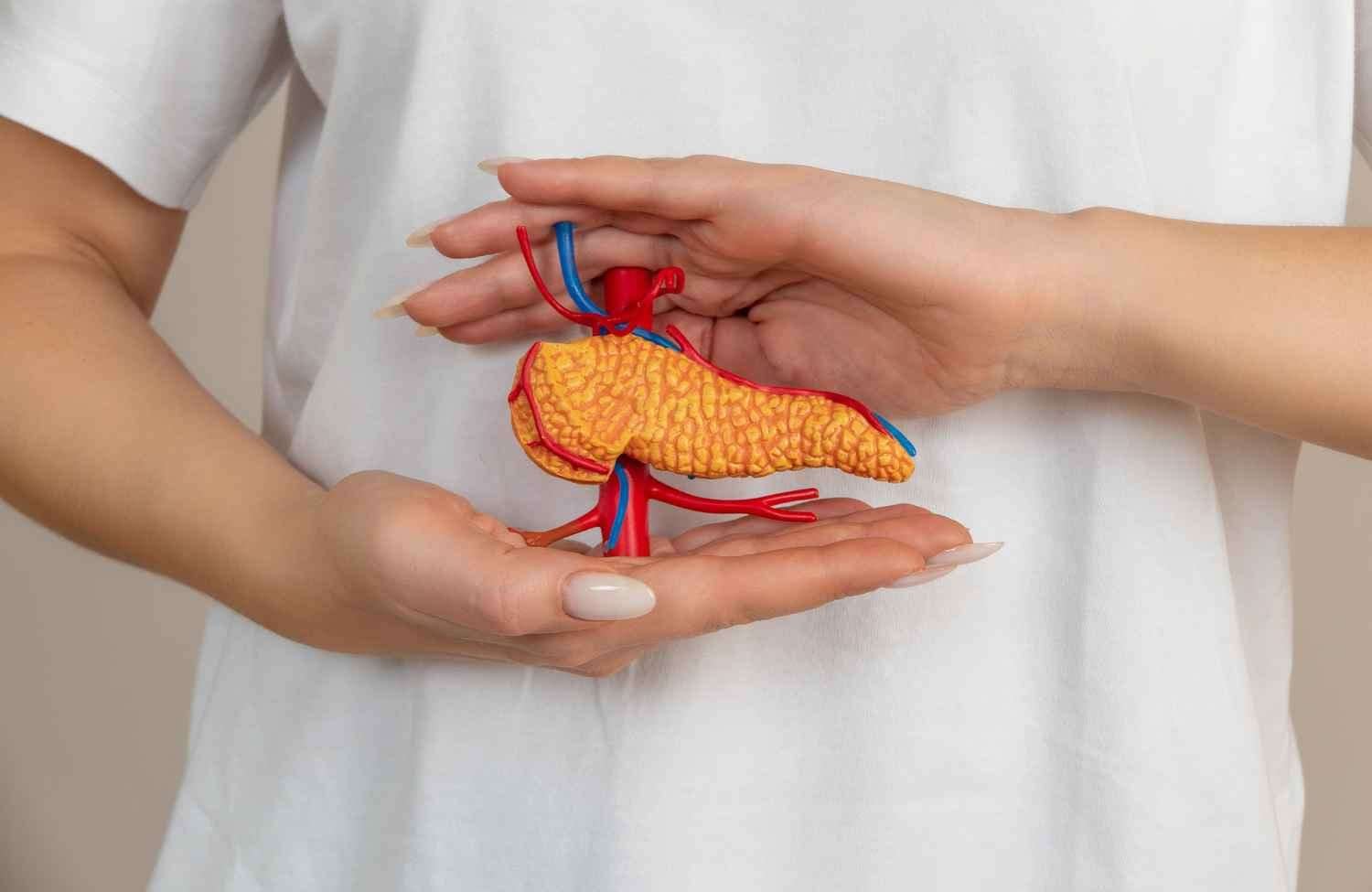
The pancreas sits deep in the upper tummy, tucked behind the stomach. It makes digestive juices that help break down food, and it also makes insulin, which controls sugar.
Because it’s hidden so deep, a tumour here can grow for a while without causing obvious trouble. When symptoms do show up, they can include yellowing of the skin or eyes, itching, dark urine, pale stools, pain in the upper tummy that spreads to the back, weight loss, or sugar suddenly going out of control.
How the Stage Is Worked Out
Before any plan is made, the team needs a clear picture. That usually means a special CT scan of the pancreas, sometimes an MRI, and often an endoscopic ultrasound to get a closer look and take a biopsy. Blood tests, including a tumour marker called CA 19-9, are usually done as well.
The key question in pancreatic cancer is simple, really. Can the tumour be removed safely or not? A lot of that depends on how close it sits to the major blood vessels nearby.
Doctors then usually place the cancer into one of four broad groups.
Stage One: Resectable Cancer
Resectable just means it can be removed by surgery. The tumour is limited to the pancreas, or close to it, and isn’t wrapped around the main blood vessels.
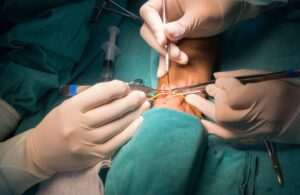
Here, surgery is the main treatment. The type of operation depends on where the tumour sits:
- For tumours in the head of the pancreas, a Whipple procedure is the common operation, where the head of the pancreas, part of the small intestine, the gallbladder and the end of the bile duct are removed and things are joined back
- Tumours in the body or tail usually need a distal pancreatectomy, often along with the spleen
- Rarely, the whole pancreas has to come out
Chemotherapy is almost always given after surgery, and some centres now give it before as well. It lowers the chance of the cancer returning.
Borderline Resectable: A Grey Zone
Sometimes the tumour is touching a blood vessel but not fully surrounding it. Doctors call this borderline resectable.
In these cases, chemotherapy, sometimes with radiation, is usually given first for a few months. The idea is to shrink the tumour away from the vessels. Then scans are repeated. If it has responded well, surgery may become possible. If not, the plan shifts.
Locally Advanced Cancer
Here the cancer hasn’t spread to faraway organs, but it has grown around the major blood vessels so much that removing it safely isn’t possible.
Chemotherapy is the main treatment, with radiation added for some people. In a small number of patients the tumour shrinks enough that surgery gets reconsidered later. For most, the focus is controlling the cancer and keeping life as normal as possible.
Metastatic Cancer
When the cancer has spread to the liver, lungs or the lining of the abdomen, surgery to remove it usually doesn’t help.
Treatment then centres on chemotherapy or other medicines to slow it down, and on comfort. That second part matters a lot, and it’s often underrated.
Supportive Care at Every Stage
Whatever the stage, some problems need attention of their own:
- Jaundice from a blocked bile duct is often eased with a small tube, called a stent, placed through an endoscope
- If the tumour blocks food from leaving the stomach, a stent or a bypass operation can help
- Pain can be managed with medicines, and sometimes with a nerve block
- Enzyme capsules taken with meals help with digestion, since the pancreas may not make enough juices
- Sugar levels often need watching, and some people need insulin
Light exercise, a healthy diet, and emotional support are also beneficial. Palliative care focuses on living well, not giving up; families should not hesitate to ask about it as soon as possible.
Recovery After Surgery
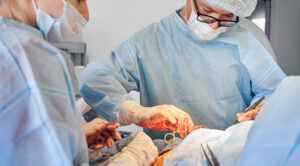
Pancreatic surgery is a large operation. The hospital stay is typically a week or longer, and full recovery takes several months. Meals begin small and soft, such as khichdi, dal, or curd rice, and progress gradually. Doctors routinely perform scans and blood tests over the years.
When to See a Doctor
If you notice yellowing of the eyes or skin, persistent upper abdominal or back pain, unexplained weight loss, or new-onset diabetes later in life, consult your doctor promptly. Early medical evaluation is important when such symptoms occur. For individuals seeking pancreatic cancer treatment in Surat, timely consultation with a specialist can help assess the condition and determine appropriate treatment options. Seek urgent medical attention if you experience high fever with chills and jaundice, vomiting of blood, or sudden, severe abdominal pain.