Most people have heard of stomach cancer and bowel cancer. Small intestine cancer? Not so much. It’s far less common, and that’s partly why it gets missed.
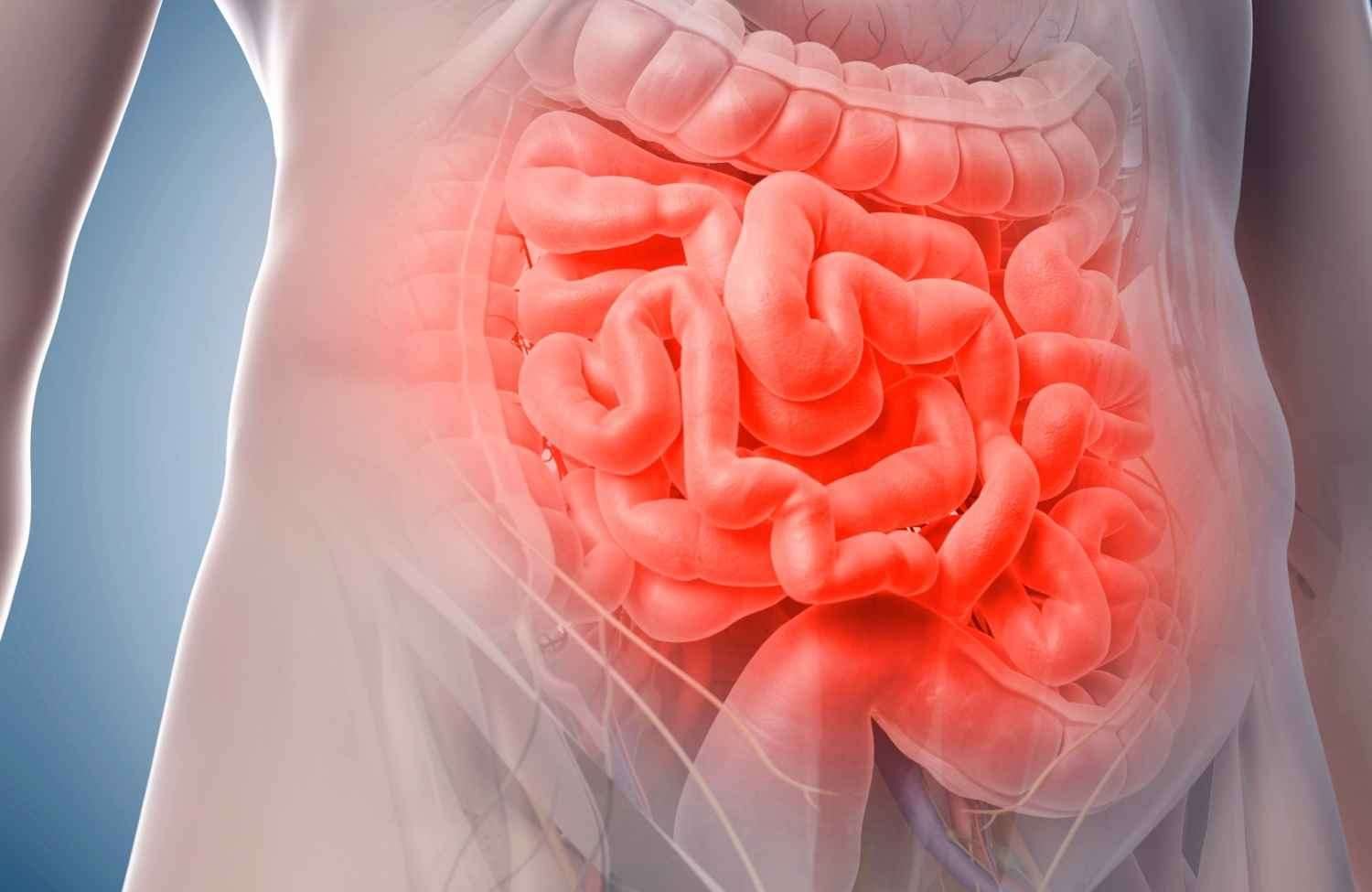
The small intestine sits between the stomach and the large bowel. It’s long, coiled up, and does most of the work of soaking up nutrients from food. When cancer starts here, the early signs are often vague. A bit of tummy discomfort, tiredness, nothing that screams “see a doctor”.
So let’s talk about what to watch for, how it’s found, and what treatment usually looks like.
What Exactly Is Small Intestine Cancer?
It’s when cells in the lining or wall of the small intestine start growing out of control and form a tumour. The small intestine has three parts: the duodenum, which joins the stomach; the jejunum; and the ileum, which leads into the large bowel.
There isn’t just one type, either. Doctors usually talk about a few main ones:
- Adenocarcinoma, which starts in the inner lining and is often found in the duodenum
- Neuroendocrine tumours, sometimes called carcinoid tumours, which grow slowly in many cases
- Lymphoma is your cancer of the immune cells in the gut wall
- GIST, a tumour that starts in the muscle layer
Each type behaves a bit differently. That’s why the treatment plan changes from person to person.
Symptoms That Are Easy to Overlook
The trouble is that most symptoms look like everyday stomach problems. People put them down to gas, acidity or something they ate.
Things worth noticing:
- Tummy pain or cramps that keep coming back, often after meals
- Losing weight without trying
- Feeling sick, or vomiting, especially if the gut is getting narrow
- Blood in the stool, or stools turning black
- Feeling tired and weak all the time, sometimes because of slow bleeding and low blood
- Yellowing of the skin or eyes, if a tumour near the duodenum blocks the bile flow
Having one of these doesn’t mean cancer. Usually it’s something far simpler. But if a symptom hangs around for a few weeks, it’s worth getting looked at.
Go to an emergency straight away if there’s severe belly pain, a hard swollen tummy, vomiting that won’t stop, or you can’t pass stool or gas.
How Is It Diagnosed?
This part takes a bit of patience. The small intestine is long and twisty, so it isn’t the easiest place to see inside.
Doctors often start with blood tests, checking for low haemoglobin, liver function and so on. Then come the scans. A CT scan or MRI shows the shape of the gut and whether anything has spread.
An endoscopy, a thin camera passed through the mouth, can reach the duodenum. For the deeper parts, there’s capsule endoscopy, where you swallow a pill-sized camera that takes pictures as it travels through. Sometimes a longer scope called an enteroscope is used too.
If something looks suspicious, a small tissue sample is taken. This is a biopsy, and it’s what actually confirms whether a growth is cancer and which type.
Treatment Options for Small Intestine Cancer
There’s no one-size plan. The team looks at the type, the stage, where it sits, and how fit the person is overall.
Surgery
For many people with cancer that hasn’t spread far, surgery is the main step. The surgeon removes the affected section of intestine along with some nearby lymph nodes, then joins the healthy ends back together. People manage fine with a shorter small intestine in most cases.
If the tumour is in the duodenum, the operation can be bigger, since this area sits close to the pancreas and bile duct. Some operations can be done by keyhole surgery, which uses small cuts and a camera, while others need an open approach.
Chemotherapy
Chemo uses medicines to kill cancer cells. It might be given after surgery to lower the chance of the cancer coming back, or as the main treatment if surgery isn’t possible.
Targeted Therapy and Other Medicines
Some tumours, like GIST and certain neuroendocrine tumours, respond to targeted medicines that work on specific features of the cancer cells. Lymphoma is usually treated mostly with chemo rather than surgery.
Radiation
It’s used less often here, as the small intestine moves around a lot and is sensitive. Still, it may help in some situations.
Life During and After Treatment
Recovery after surgery normally means a few days in hospital, sometimes longer. Eating starts slowly, liquids first, then soft foods like khichdi or curd rice. Smaller meals, a bit more often, tend to sit better.
Follow-up visits carry on for quite a while. Scans and blood tests every few months at first, then less often if things stay steady.
Getting the Right Advice
If you’ve been living with tummy symptoms that just won’t settle, or a scan has picked up something in the small intestine, talking to a GI specialist is a sensible next step. For more information on available treatment approaches, explore gastrointestinal cancer treatment in Surat by Dr. Jay Chokshi.