Acid reflux is something many people deal with every single day. A burning sensation rises from the stomach into the chest. For some, antacids offer quick but temporary relief after meals. But for some, the problem remains even when taking regular medication. At some point, the question becomes, is there a better long-term solution available?
Fundoplication surgery is one answer that more patients are now considering. It provides a structural solution as opposed to just a temporary fix for the symptoms. In this blog post, we’ll dive into what the surgery involves, who it’s best suited for, and how it compares to lifelong medication.
What is GERD and Why Does it Occur?
GERD stands for Gastroesophageal Reflux Disease. This condition occurs when stomach acid frequently flows back up into the oesophagus. The lower oesophageal sphincter is the valve that prevents this reflux. When this valve weakens or relaxes too often, acid can easily escape upwards.
Frequent symptoms include heartburn, regurgitation, chest discomfort, and throat irritation. Other patients may experience a chronic cough or difficulty swallowing food. If left untreated for years, GERD can severely damage the lining of the oesophagus. In rare instances, this may eventually lead to a condition known as Barrett’s oesophagus.
What medications are used to treat GERD?
Most patients begin with lifestyle changes and over-the-counter antacids. If symptoms continue, doctors will prescribe proton pump inhibitors, also known as PPIs. These reduce the amount of acid the stomach produces each day. H2 blockers are another category used to manage acid production levels.
Medications work well for many patients in the short term. They reduce symptoms and allow the oesophagus to heal from irritation. However, they do not fix the mechanical problem causing the reflux itself. The valve remains weak, and symptoms often return when medication stops.
Long-term use of PPIs has also raised some medical concerns over the years. Some studies link long-term PPI use to decreased magnesium and calcium absorption. There are also ongoing discussions about possible kidney and gut microbiome effects with prolonged use. This is one reason patients and doctors are now reconsidering long-term medication dependence together.
What Is Fundoplication Surgery?
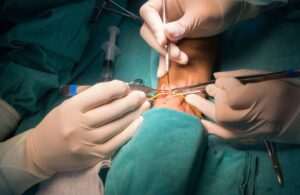
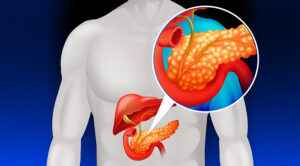
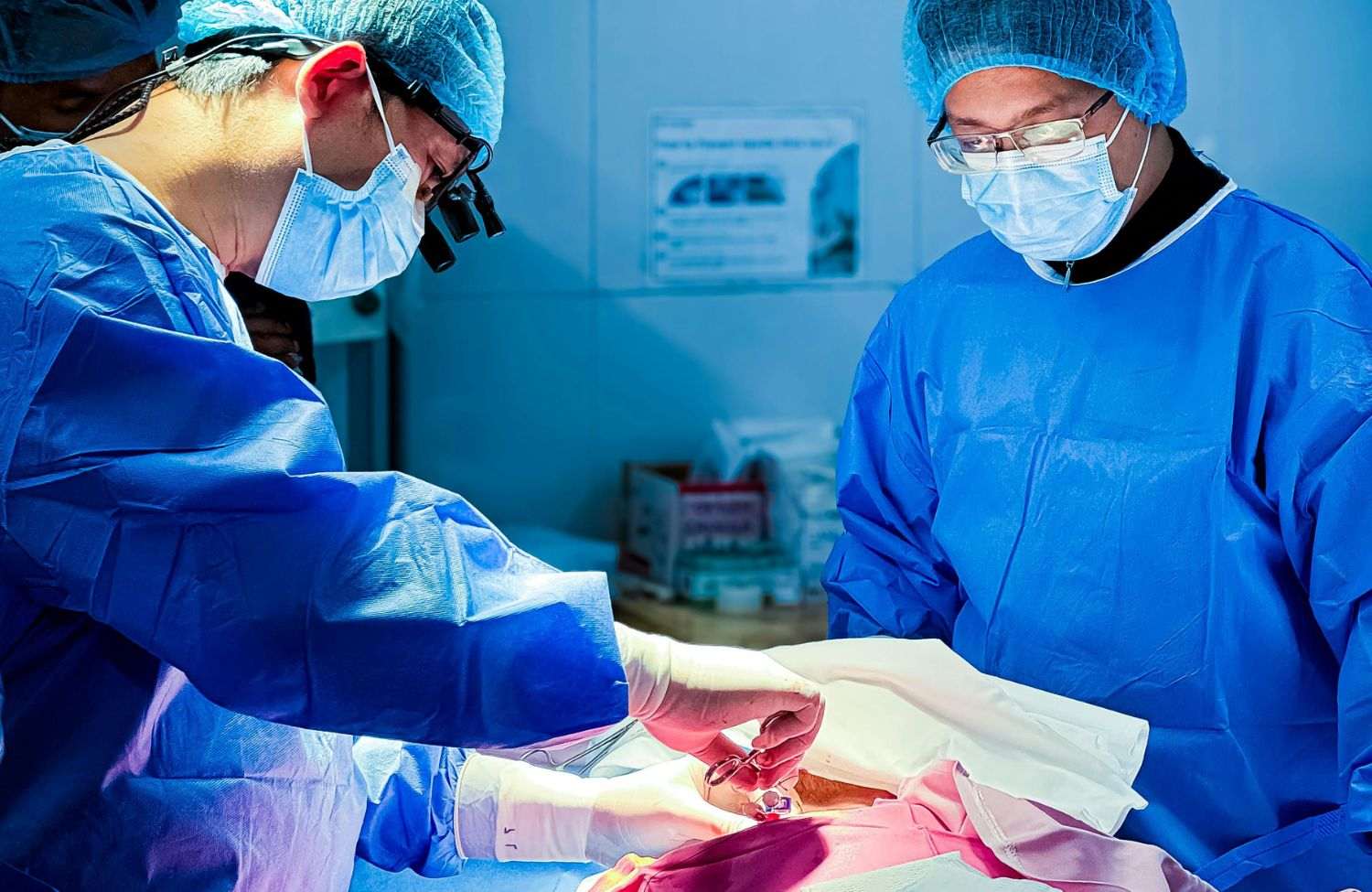
Fundoplication surgery is a procedure that repairs the weakened lower oesophageal valve. The surgeon wraps the upper part of the stomach around the lower oesophagus. This wrap tightens the valve and prevents acid from flowing upward again. The result is a physical barrier that works continuously without needing daily medication.
The most commonly performed version is called Nissen fundoplication. In this technique, the stomach wrap goes all the way around the oesophagus. A partial wrap version, called Toupet fundoplication, is used in some cases. The choice depends on the patient’s anatomy and the severity of their condition.
Today, most fundoplication surgeries are performed laparoscopically, through small incisions, meaning less pain, shorter hospital stays, and a faster recovery for patients. Most patients can return to normal activities within two to three weeks of surgery. Read more about how this procedure works for acid relief.
Surgery vs. Medication: How Do They Compare?
This is the question most GERD patients eventually want answered clearly.
Effectiveness
Medications manage acid but leave the root structural problem completely unaddressed. Fundoplication surgery corrects the faulty valve directly at its source. Studies show high patient satisfaction rates five to ten years after surgery. Many patients report complete or near-complete relief from reflux symptoms long-term.
Duration of Relief
PPIs need to be taken daily to maintain their acid-suppressing effect. Once stopped, acid production returns to its previous level quite quickly. Surgery offers lasting relief without requiring daily pills for most patients. A single procedure can provide benefits that extend over many years.
Cost Consideration
Medications may seem cheaper on a monthly basis initially. But when calculated over ten or twenty years, the cost adds up significantly. A one-time surgical investment can often prove more economical over a longer period. Patients should factor in consultation, diagnostics, and medication refills over their lifetime.
Side Effects
Long-term medication carries the risk of nutritional deficiencies and dependency over time. Surgery carries short-term risks as any other operative procedure does. These include bloating, difficulty swallowing, and gas-related discomfort in some patients. Most of these side effects improve within a few months of the operation.
Who Benefits Most From Surgery
Not every GERD patient needs surgery, and that is important to understand. Surgery is best suited for those with a confirmed hiatal hernia alongside reflux. Patients who cannot tolerate PPIs or wish to stop medication are strong candidates. Those with proven acid reflux on testing but poor medication response also qualify.
Proper GERD treatment begins with an accurate diagnosis and complete evaluation. Endoscopy, pH monitoring, and manometry tests help confirm whether surgery is appropriate. Skipping these assessments can lead to surgery being performed on the wrong candidates.
What to Expect Before and After Surgery
Before surgery, patients undergo a series of diagnostic evaluations. These tests confirm the diagnosis and assess oesophageal muscle function properly. Surgeons at Dr. Jay Chokshi Gastro Centre review each case individually before proceeding. No two GERD cases are exactly alike in their severity or anatomy.
After surgery, patients begin with a liquid diet for the first week. Over the next two to three weeks, soft foods are slowly introduced. During the healing period, some patients experience a temporary difficulty swallowing. This generally resolves spontaneously as swelling around the wrap decreases. Follow-up visits are important during the first three months after the procedure. Most patients are completely off GERD medication within six weeks of surgery. To achieve long-term success, you must follow a healthy diet and not overeat in the long term.
Is Fundoplication Surgery Right for You?
The answer depends on several individual factors that only a specialist can evaluate. If you’ve been on GERD medication for more than two years without relief, consider a surgical consultation. If your reflux is confirmed by testing and medication continues to fail, surgery may be the better path forward.
Effective GERD treatment should address the cause, not just suppress the symptoms daily. Fundoplication surgery does exactly that by fixing the physical problem at its root. It is not the right choice for everyone, but for the right patient, it can be life-changing.
Why Dr. Jay Chokshi Gastro Centre in Surat
Dr. Jay Chokshi Gastro Centre, Advanced Laparoscopic Gastro Specialist Center Fundoplication. The team at Jay Chokshi Gastro Centre is here to support each and every patient, guiding them through the process of diagnosis, surgery, and recovery. Patients from all over Surat and Gujarat trust the centre to treat complex gastrointestinal conditions. If GERD has been affecting your daily life, a consultation here will help you make the right choice. For GERD sufferers seeking permanent relief, medication is not always the answer.
Fundoplication surgery offers a structural solution that treats the actual problem directly. With the right diagnosis and an experienced surgical team, long-term relief is absolutely achievable. Speak with Dr. Jay Chokshi at the Gastro Centre today to explore whether surgery is right for you.