The liver, pancreas, and gallbladder operate silently in the background to digest meals, keep blood sugar levels stable, and filter out pollutants. Problems typically go unreported until symptoms are so bad that they can’t be ignored.
That’s the risk.
A lot of major illnesses start with small warning symptoms. Finding them early can make therapy easier and the results considerably better. Here are ten liver, pancreatic, and gallbladder symptoms that should be checked out by a doctor right now.
1. Pain that won't go away in the upper right abdomen
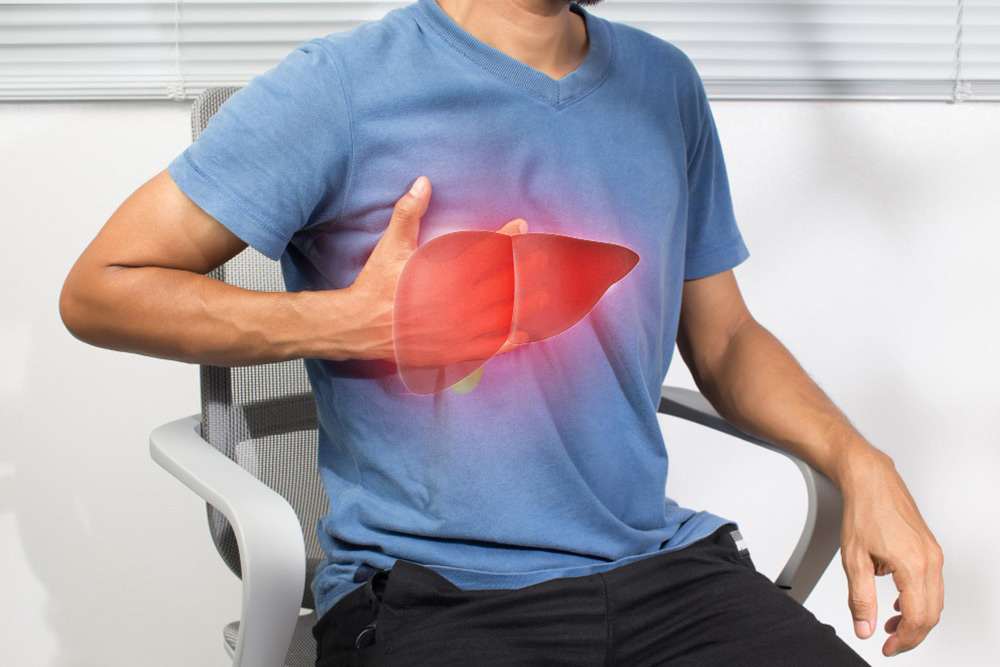
One of the most typical warning signals is pain or heaviness under the right rib cage. If the discomfort gets worse after eating fatty foods, it could be a sign of gallstones, liver inflammation, or difficulties with the bile duct.
Don’t ignore it as “gas” if it keeps coming back.
2. Skin or eyes turning yellow (jaundice)
It’s never normal for the skin or eyes to turn yellow. It usually means that the flow of bile is blocked, that there is liver illness, or that there are problems with the pancreas.
You should see a doctor right away if you have even mild jaundice. It’s your body’s way of telling you something is wrong.
3. Sudden, severe pain in the upper abdomen that spreads to the back
Acute pancreatitis can cause sharp pain that spreads to the back, especially if you feel sick or throw up.
This is a medical emergency that needs to be taken care of right away.
4. Losing weight for no reason
It may seem good to lose weight without trying, but it’s a bad sign for your health.
Chronic liver illness, pancreatic abnormalities, or gallbladder problems might make it hard to digest food and make you lose weight without knowing why.
5. Nausea or vomiting that doesn't go away
It’s not unusual to feel sick from time to time. If you feel sick all the time, especially after eating, it could be a sign of gallbladder illness, liver problems, or pancreatic problems.
It’s time to look into things when you throw up a lot.
6. Changes in the color of your urine or stool
Look out for these small signs:
Stools that are pale or clay-colored
Dark urine even when well-hydrated
These changes are generally a symptom of liver issues or bile flow blockage, and you should never disregard them.
7. Feeling tired and weak all the time
If you are always fatigued and resting doesn’t help, it could be a sign of liver problems.
The liver is very important for how the body uses energy. When it has trouble, tiredness is generally one of the first signs.
8. Fever and stomach pain
A fever and stomach ache together could mean you have an infection, including cholecystitis (an infection of the gallbladder), a liver abscess, or pancreatitis.
Right now, a doctor needs to look at this mix.
9. Swelling or bloating in the stomach
Fluid buildup in the abdomen (ascites), which is commonly linked to severe liver disease, can cause progressive swelling.
If your stomach feels tight or full without you gaining any weight, visit a doctor.
10. Problems with digestion after eating fatty foods
A classic symptom that your gallbladder is in trouble is feeling bloated, sick, or uncomfortable after eating fried or oily meals.
If you can’t handle fatty foods over and over again, it could be a sign of gallstones or a problem with your gallbladder.
Why it's important to pay attention early
Conditions that affect the liver, pancreas, and gallbladder can get worse without any signs. Pain may already be bad enough to cause problems by the time it gets that bad.
Early evaluation helps:
- Stop emergencies
- Make major surgery less necessary
- Get better results from recuperation
- Keep your gut health good for a long time
Ignoring symptoms almost never makes them go away.
When Should You Go to the Doctor?
If you have any of these signs:
- Last longer than a few days
- Happen often
- Get worse over time
- Get in the way of daily life
…it’s time to see a doctor.
Paying attention to your body early can help you avoid being sick for a long time later.
Conclusion
When something’s awry, your digestive organs don’t always shout. They murmur first.
Those whispers are signs. And they are important.
If something doesn’t feel right, believe your gut. Taking care of things early isn’t overreacting; it’s preventing them.