
It can be scary to hear words like tumor, polyp, or growth, especially when they have to do with the digestive system. The first thing that comes to mind is cancer. But the truth is more complicated. A lot of growths in the gastrointestinal (GI) tract are not cancerous, grow slowly, and can be treated, especially if they are found early.
The trick is to know what these growths are, how they act, and when surgery really helps.
What are polyps, tumors, and GI growths?
To put it simply:
- Polyps are growths of abnormal tissue that come from the lining of the digestive tract.
- Tumors can be either benign (not cancerous) or malignant (cancerous).
- Cysts, nodules, and enlarged tissue areas are all types of growths.
These can happen anywhere in the digestive system, including the esophagus, stomach, intestines, colon, rectum, liver, pancreas, or gallbladder.
Not all growths are harmful. But they all need to be looked at.
Common GI Growths That Doctors See
Some common growths in the digestive tract are:
- Polyps in the colon and rectum
- Polyps in the stomach
- Liver tumors that aren't cancerous
- Cysts or tumors in the pancreas
- Polyps in the gallbladder
- Growths in the small intestine
A lot of them are found by chance during scans or endoscopy, usually before symptoms show up.
Signs That Could Mean a GI Growth
Some growths don’t make any noise, but others can cause:
- Pain or discomfort in the stomach that doesn't go away
- Changes in how you go to the bathroom
- Stool with blood in it
- Weight reduction that can't be explained
- Fatigue or anemia
- Feeling bloated or full too soon
These signs don’t always signify cancer, but they certainly need to be looked into further.
When do you need surgery?
Not every time is surgery the initial step. Before making a recommendation, doctors look at a number of things.
Surgery may be useful when:
- The growth is big or getting bigger.
- There is a chance of malignant change.
- The growth is making it bleed, obstruct, or hurt.
- The biopsy results are not clear or are suspicious.
- For diagnosis or treatment, complete removal is necessary.
In many cases, getting rid of the growth early stops problems from happening later.
What is the difference between endoscopy and surgery?
Not all GI growths need surgery that is open or laparoscopic.
- For tiny polyps and early lesions, endoscopic removal is frequently enough.
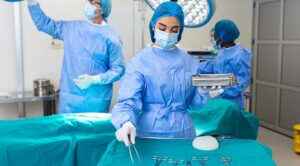
- When growths are deeper, bigger, or out of the reach of endoscope, laparoscopic (minimally invasive) surgery is utilized.
- Open surgery is only done in very complicated or advanced instances.
The goal is always to get the best results with the least amount of harm.
Why early surgery can be helpful
Some growths can get bigger if you wait to get treatment:
- Growing bigger
- Make things harder or cause bleeding
- Moving approaching cancer
- Need additional surgery in the future
Early surgery, especially with minimally invasive methods, leads to speedier recovery and better results.
Modern Surgery Has Changed the Picture
Today’s GI operations are far easier for patients than they used to be.
Some of the improvements are:
- Techniques for laparoscopic and robotic surgery
- Better pictures for planning surgery
- Less time spent in the hospital
- Less discomfort and faster healing
For a lot of people, surgery isn’t as scary as it used to be.
What Happens After You Take It Out?
After a growth is taken out:
- It is studied with a microscope (histopathology).
- Only if necessary will more treatment be planned.
- It may be a good idea to follow up regularly.
In a lot of cases, surgery is the only thing that can help.
When Should You Talk to a Doctor?
You should not ignore:
- Digestive problems that don't go away
- Bleeding or anemia that can't be explained
- Changes in weight or appetite that happen quickly
- Scans that show growths, even if they don't cause any symptoms
Early consultation generally means easier treatment and peace of mind.
Conclusion
Tumors, polyps, and growths in the digestive system aren’t usually emergencies, but they’re seldom small.
Knowing what they are, how to keep an eye on them, and when surgery can help can make a big difference. Many GI growths can be treated well with appropriate care and contemporary surgery, typically before they get too dangerous.
Paying attention early is not an overreaction.
It’s clever care that stops problems before they happen.