
Intermittent fasting (IF) has become one of the most popular health trends in recent years. People try it to lose weight, improve metabolism, or simply “reset” their bodies. And while fasting can offer real benefits, especially when done correctly, many people don’t realize that it may also affect gut health — sometimes silently.
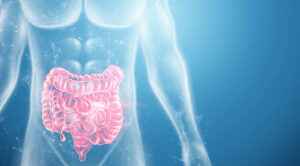
Your gut does more than merely digest food. It has trillions of microorganisms, helps the immune system, reduces inflammation, and even affects mood. Before you start fasting, you should know how your gut reacts and what side effects you might not notice right away.
Let’s make it easy to understand.
The Good Side of Intermittent Fasting on the Gut
To be fair, IF might offer certain gut-friendly benefits:
1. It lets the digestive system rest.
Some people may feel less bloated or have less indigestion after short durations of fasting because it gives their gut a break.
2. Helps the good bacteria in your gut
Some research suggests that supervised fasting may boost beneficial microorganisms that help lower inflammation.
3. May Help Reduce Gastric Fatigue
People who overeat often strain the gut. Fasting helps reduce this load temporarily.
But – and this is important – not every gut responds the same way. For some, fasting works beautifully. For others, it triggers issues that quietly build up over weeks or months.
Hidden Side Effects of Intermittent Fasting on Your Gut
Here’s what many people don’t talk about.
1. Increased Acidity & Gastric Irritation
One of the most common side effects is acidity.
When your stomach stays empty for too long:
- Acid builds up
- The stomach lining gets irritated
- You may feel burning, nausea, or pain
People who already struggle with acidity, gastritis, or reflux (GERD) may find their symptoms worsening.
Signs to watch: Burning pain, bloating, sour burps, nausea during fasting hours.
2. Gas and bloating
You might think that fasting makes you less bloated, but for some people, it does the reverse.
Why?
When you end your fast, you might:
- Eat more than you usually do.
- Eat more quickly
- Pick items that are heavier
This rapid load can be too much for the digestive system, making you gassy and bloated.
3. Not being able to go to the bathroom or having irregular bowel movements
Short eating windows can mean:
- Less fiber in the diet
- Less drinking of water
- Less regular meals
All of this makes digestion slower, which might cause constipation.
IF may make your symptoms more unexpected if you already have IBS or bowel patterns that aren’t regular.
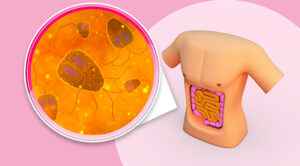
4. Imbalance of gut bacteria (dysbiosis)
Your gut does best when things are consistent. Eating regular meals helps keep the activity of your microbiome stable.
Sometimes, long periods of fasting can:
- Lower beneficial bacteria
- Change the pH of the gut
- Stop the migration of the gut
Over time, this could lead to indigestion, tiredness, or a greater sensitivity to some meals.
5. Eating too much because of your feelings
It’s not just a problem with digestion; it has a big effect on the stomach.
People commonly do these things after they break their fast after a long time:
- Want sugar
- Eat too much
- Quickly eat a snack
- Eat till you're too stuffed.
This abrupt load can put a lot of stress on the stomach and cause acid reflux, cramping, or delayed digestion.
6. Making gut problems that were already there worse
Fasting isn’t a method that works for everyone. It might make things worse:
- Gastritis
- GERD
- Ulcers
- IBS
- Acid reflux
- Problems with the pancreas
People with these diseases may feel worse on IF, even if it helps them lose weight.
Who Should Be Careful About Intermittent Fasting?
IF might not be the best choice for:
- People who have gastritis or chronic acidity
- People who have IBS or inflammatory bowel diseases
- People who have ulcers
- People with diabetes who need to eat at the same time every day
- Women who are pregnant or breastfeeding
- Anyone who has had an eating disorder in the past
Before starting IF, always talk to your doctor, especially if you have stomach problems that won’t go away.
How to Make Intermittent Fasting Safer for Your Gut
If you still want to attempt fasting, here are some easy changes that will make it easier on your stomach:
1. Don't eat a lot of food when you break your fast.
Start with something light:
- Fruit
- Nuts
- Soup
- Yogurt
- Vegetables that have been steamed
Gently wake up your belly.
2. Drink water all day
Drinks like water, herbal teas, and electrolyte drinks can help lower acidity and keep digestion going smoothly.
3. Don't eat foods that make you want to eat during your eating window.
In particular:
- Food that has been fried
- Food that is spicy
- Caffeine on an empty stomach
- Drinks with sugar
- Drinks with bubbles
- Foods that have been processed
These can make acidity and bloating worse.
4. Add more foods that are good for your gut.
For example:
- Yogurt or curd
- Buttermilk
- Bananas
- Oats
- Foods with probiotics
- Broths and soups
They help digestion and calm the stomach.
5. Listen to Your Body
If fasting is making you:
- More acidic
- More bloated
- Too tired
- Uncomfortable
- Irritable
…it might not be the right method for you.
There’s no “perfect” diet for everyone — the best method is one your gut and body tolerate well.
Conclusion
Intermittent fasting can offer benefits, but it isn’t harmless for everyone. For some, it improves digestion; for others, it may quietly trigger acidity, bloating, constipation, or microbiome imbalance.
The key is understanding your gut’s signals. If fasting feels good, great — continue mindfully. If your body starts complaining, don’t ignore it.
Your gut health affects your energy, mood, immunity, and overall well-being.
Always choose the approach that keeps your body balanced, not just your weight.