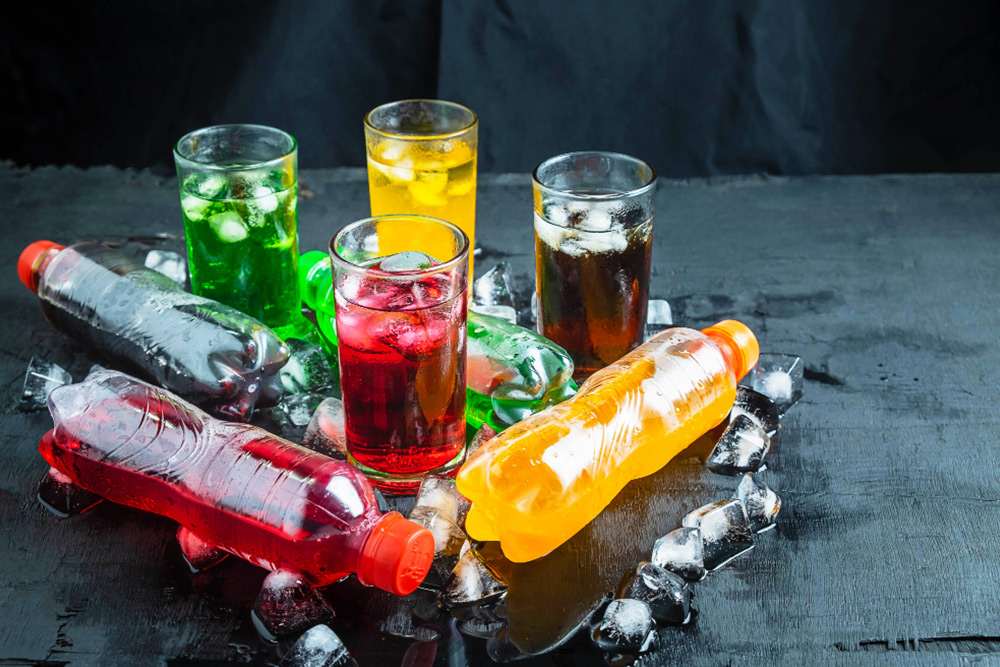
Energy drinks and soft drinks have become part of everyday life for many people. A can to stay awake, a bottle to beat the heat, a quick drink during work — it all feels harmless. But what most people don’t realise is that these drinks, when consumed regularly, can silently damage the stomach and liver over time.
You may not notice the impact immediately. The discomfort begins slowly — acidity, bloating, or a burning sensation after meals. With time, this irritation can develop into gastritis, and in more serious cases, long-term use can affect liver health too.
Let’s break down how something as common as an energy drink or soda can gradually harm your digestive system.
How These Drinks Trigger Gastritis
Gastritis simply means inflammation of the stomach lining. While infections and painkillers are well-known causes, beverages high in sugar, caffeine, and acids are often overlooked.
Soft drinks and energy drinks cause the syndrome in the following ways:
1. Elevated acidity that irritates the lining of the stomach
Carbonic and phosphoric acids are found in soft drinks. These acids irritate the lining of the stomach, but they also give soda its fizz and harsh flavor.
Even one or two cans per day can exacerbate symptoms for someone who already has acidity issues.
2. Excessive Caffeine
Compared to a cup of tea or coffee, energy drinks frequently have two or three times the amount of caffeine.
Too much caffeine:
- Increases the formation of gastric acid
- Reduces the stomach's protective mucous layer
- Causes nausea and scorching agony.
After consuming an energy drink, people with acidity problems typically experience symptoms right away.
3. Too Much Sugar Causes Inflammation
Your body may require more sugar from a single bottle of soft drink for the entire day.
This elevated sugar level causes:
- An increase in inflammation
- Delayed emptying of the stomach
- Increased risk of flare-ups of gastritis
The stomach gets more irritable and sensitive.
4. Synthetic Preservatives & Additives
The majority of these beverages include artificial coloring, flavoring, and preservatives that might upset the stomach, particularly in those who have dietary sensitivity.
The Unspoken Effect on Liver Function
Many people believe that only alcohol, medications, or infections can cause liver disease. However, when regularly eaten, sugar-filled beverages and caffeinated energy drinks can be just as dangerous.
Here’s what happens behind the scenes:
1. Fatty Liver from Excess Sugar
Soft drinks contain high-fructose corn syrup or similar sweeteners that the liver struggles to break down.
Over time, this sugar turns into fat and gets deposited in liver cells — a condition called Non-Alcoholic Fatty Liver Disease (NAFLD).
Many young adults diagnosed with fatty liver today have no alcohol history — but they consume soft drinks daily.
2. Energy Drinks & Toxic Overload
Energy drinks often contain:
- Excess caffeine
- Synthetic vitamins
- Herbal stimulants
- High sugar levels
The liver must process all of this. When consumed frequently, the liver becomes overworked, leading to inflammation and long-term damage.
3. Risk of Liver Inflammation
The combination of stimulants and sugar can trigger oxidative stress, causing liver cells to become inflamed.
Over months or years, this may progress into fibrosis (liver scarring), and in severe cases, permanent liver damage.
Early Symptoms You Should Never Ignore
Many symptoms start small but grow worse over time:
- Gastritis Symptoms
- Burning or pain in the upper abdomen
- Nausea after meals
- Bloating
- Feeling full too quickly
- Frequent acidity or indigestion
- Liver-Related Symptoms
- Unexplained fatigue
- Dull pain on the right side of the abdomen
- Loss of appetite
- Sudden weight changes
- Dark-colored urine
These signs don’t always appear together — even one or two symptoms can be a warning.
Why These Drinks Feel Addictive
There’s a reason people find it hard to stop:
- Sugar spikes give instant energy.
- Caffeine quickly makes you more alert.
- Artificial flavors make people want something very badly.
But the crash that follows only encourages more consumption, which keeps the cycle going and causes more suffering.
Healthy Alternatives That Protect Your Liver and Stomach
You don’t have to stop drinking completely; you just need to make better choices:
- Lemon water
- Coconut water
- Buttermilk
- Herbal teas
- Juices made from fresh fruit (in small amounts)
- Water with mint or cucumber in it
These options will keep you hydrated without hurting your liver or stomach.
When Should You Go to the Doctor?
You should see a doctor if you:
- Have stomach pain or acidity that lasts more than a week.
- Feel sick or throw up after eating.
- Always feel tired for no reason
- Look at the test findings for evidence of fatty liver.
- Regularly drank soda or energy drinks and now have digestive problems
The stomach and liver can heal and complications can be avoided with early treatment.
Conclusion
Energy drinks and soft drinks may look harmless, but their long-term impact is anything but. The acids, sugar, caffeine, and additives they contain silently irritate the stomach lining and overload the liver. Cutting down — even gradually — can make a significant difference in your digestive health and overall well-being.
Your body gives you signals. Listening early can prevent bigger problems later.