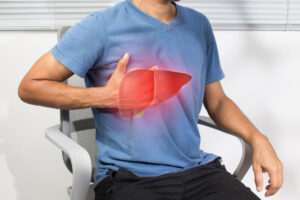
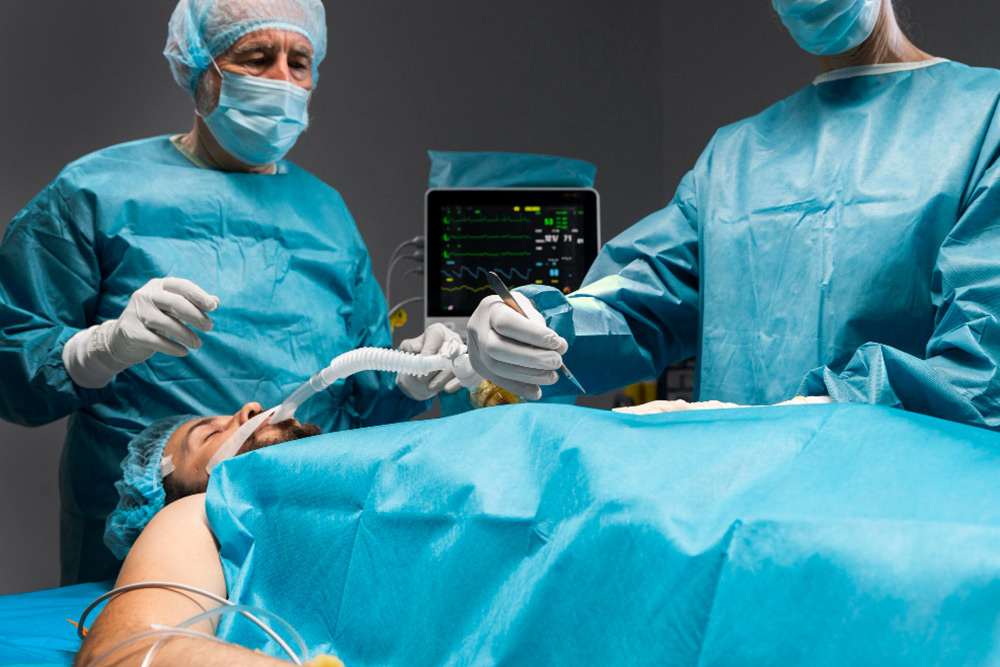
Digestive difficulties can make everyday living hard without you even knowing it. You might have constant discomfort, bloating, reflux, or bowel problems that won’t go away. In a lot of cases, drugs help. But when surgery is necessary, laparoscopic surgery is the best way to address a number of gastrointestinal (GI) problems.
Doctors can now treat complicated GI issues with smaller cuts, a faster recovery, and less pain after surgery, thanks to improvements in minimally invasive procedures.
Here are the top 10 GI disorders that laparoscopic surgery is generally used to treat and why this method is often suggested.
1. Gallstones and problems with the gallbladder
One of the most common reasons for laparoscopic surgery is gallstones. Laparoscopic gallbladder removal is the usual treatment when stones cause pain, infection, or swelling.
Patients have the following benefits:
- Little pain
- A short stay in the hospital
- Fast return to usual eating and activity
2. Hernias (inguinal, umbilical, and incisional)
When weak muscular areas let internal tissues push through, hernias happen. Surgeons can use mesh with excellent precision to strengthen the region during laparoscopic hernia surgery.
People often choose it because:
- Less scarring
- Lower risk of recurrence
- Faster recovery than open surgery
3. Acid Reflux (GERD)
Laparoscopic anti-reflux surgery can give long-term relief for people with severe acid reflux that doesn’t respond to medicine.
This procedure is helpful:
- Make the valve between the stomach and esophagus stronger.
- Cut down on your need for long-term drugs
- Make life better
4. Appendicitis
People with acute appendicitis often need surgery right away. Laparoscopic appendectomy makes it easier to find and cure problems, especially when the cause isn’t evident.
Benefits include:
- Less discomfort after surgery
- Less likely to get an illness
- Getting out of the hospital faster
5. Conditions of the Colon and Rectum
Laparoscopic surgery can be used to treat some colon and rectal illnesses, like polyps, diverticular disease, and early-stage malignancies.
Laparoscopic colorectal surgery provides:
- Better ability to see inside buildings
- Less blood loss
- Better results for recovery
6. Intestinal Obstruction (Some Cases)
Some bowel obstructions caused by adhesions or strictures can be managed with laparoscopy.
This method works when it’s needed:
- Less damage to healthy bowel
- Minimise scar tissue formation
- Shorten recovery time
7. Peptic Ulcer Complications
Complicated ulcers, such as those causing perforation or bleeding, may require surgical repair.
Laparoscopic surgery allows surgeons to:
- Fix the ulcer
- Clean infected areas
- Stabilise the condition with minimal invasion
8. Inflammatory Bowel Disease (IBD)
In selected cases of Crohn’s disease or ulcerative colitis, surgery becomes necessary.
Laparoscopic methods are generally favored because they:
- Lower the stress of surgery
- Less adhesion formation
- Keep the intestines working as much as possible
9. GI procedures for bariatric (weight loss)
Sleeve gastrectomy and gastric bypass are two laparoscopic procedures that are used to treat obesity and other GI problems.
Some of the benefits are:
- Smaller cuts
- Fewer problems
- Quicker movement after surgery
10. Laparoscopy for GI Pain That Isn't Clear
When imaging and tests don’t give obvious answers, diagnostic laparoscopy can help find hidden sources of infections, stomach pain, or growths.
It lets doctors:
- Diagnose and treat at the same time
- Stay away from big exploratory operations
- Get to the point faster
Why laparoscopic surgery is the best choice for GI care
Laparoscopic surgery always has the following benefits for certain conditions:
- Less scarring and smaller cuts
- Less pain after surgery
- Stays in the hospital are shorter.
- Faster return to normal life
- Less likely to have problems
For a lot of patients, it makes surgery less scary and more tolerable.
Conclusion
Not every GI problem needs surgery, and not every case can be treated with laparoscopy. But when surgery is needed, minimally invasive methods have made a big difference in how things turn out.
If GI problems are getting worse, lasting longer, or making life less enjoyable, they need to be checked out right away. Early diagnosis often implies easier treatment and a faster recovery.
The appropriate strategy at the right time makes all the difference when it comes to digestive health.